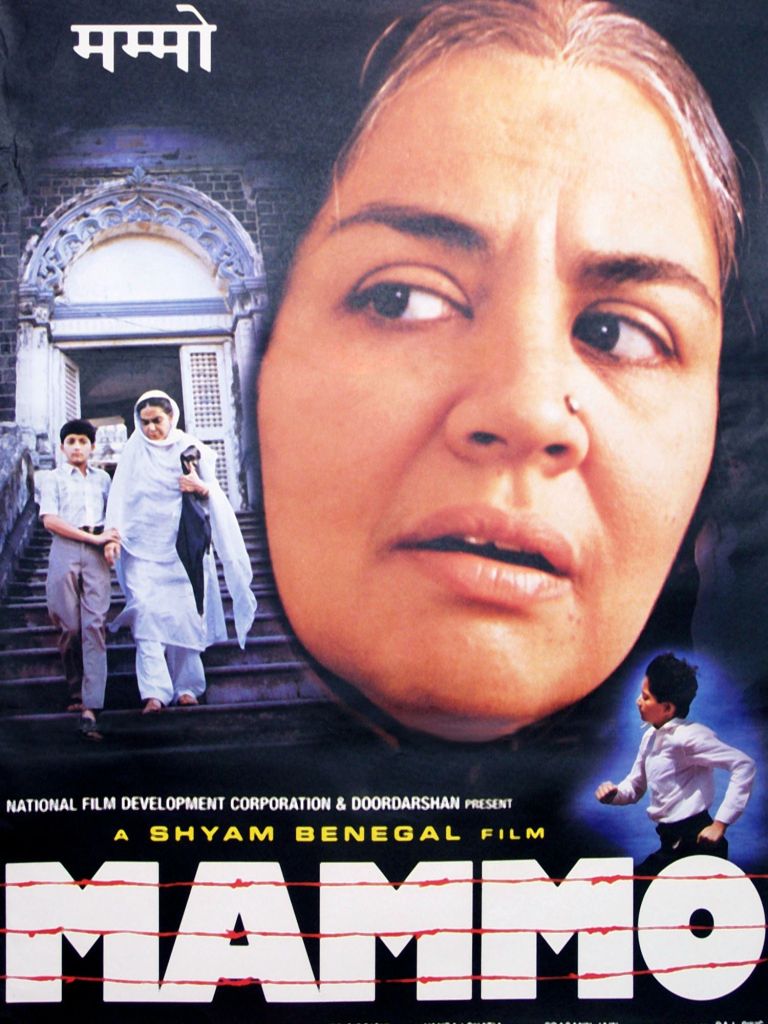
Mammo is a Indian Hindi film, written by Khalid Mohamed, directed and edited by Shyam Benegal. Mammo moves to Pakistan during the Partition. No single community is to blame, Muslims, Hindus, Sikhs, all suffered equally from the violence.
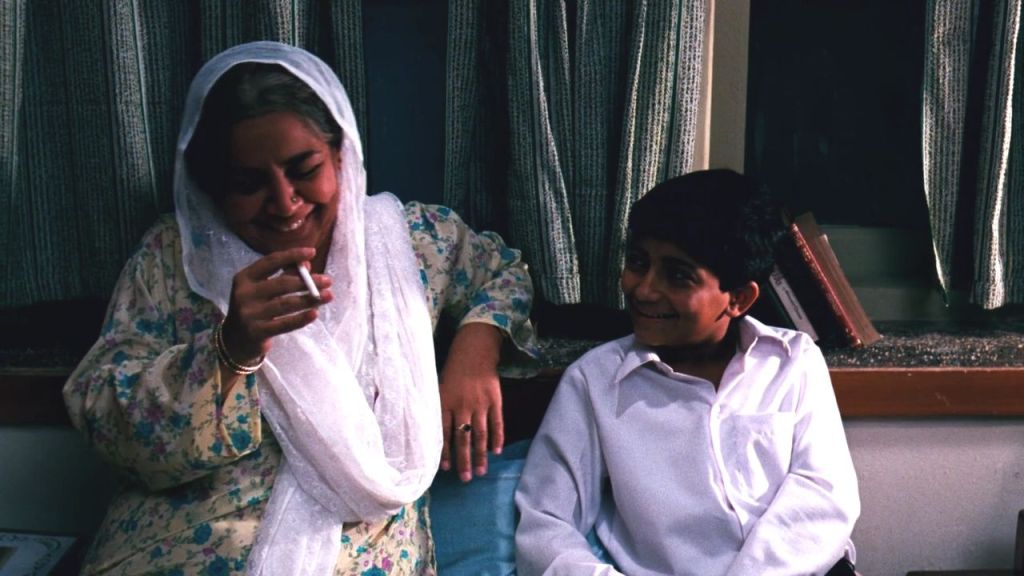
Mammo (Farida Jalal) was born in Panipat during the British Raj, she was one of thousands of Muslims who left for Pakistan after Partition. She and her husband automatically became Pakistani citizens. Although childless, her marriage is a happy one until her husband’s death. She has spent the bulk of her adult life in Pakistan, while her sisters live in India. After her husband dies and she is ill-treated by his relatives, she lands up in Mumbai, upturning the lives with her widowed sister Fayyazi (Surekha Sikri) and Fayyazi’s grandson Riyaz (Amit Phalke) on a temporary visa.
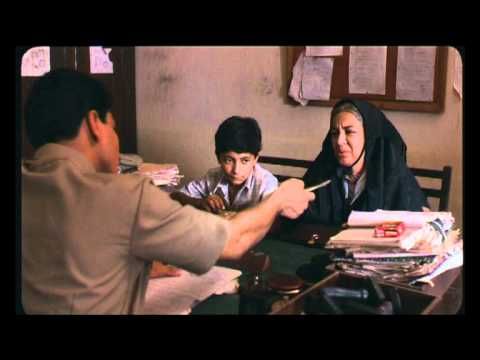
Every month she walks to the nearest police station to get an extension. She finally paid Rs.4800 as a bribe to get a permanent visa through Inspector Apte. When Apte was transferred, a new police inspector took over, processed her papers, took her to be an illegal immigrant, arrested her, had her escorted to the Bombay Central Railway Station and forced her to board the Frontier Mail, which would return her to Pakistan. Riyaz and Fayyuzi make every possible attempt to trace and bring her back, all in vain. Now 20 years later, Riyaz has grown up and has written a book about his Mammo, hoping that someday, somewhere she will find it and they will be reunited.
The movie touches upon several emotional aspects of day-to-day life. Unable to extend her visa, she is deported back to Pakistan. Political priorities defeat humanitarian ones. The director shows a happy ending where Mammo comes to Riyaz and her sister at the end. She pretends that she is dead so that she can continue to stay in India thereafter.
Mammo’s status as a Muslim woman is augmented by the Partition. The sequence in which Mammo relays her memories of the Partition to Riyaz is an important moment in the film because it points to a historical rupture that re-organised communal relations between Hindus, Muslims and Sikhs, a traumatic wound that remains open.
Mammo begins by telling Riyaz that she has experienced hell; this is the way she refers to the trauma of the Partition, announcing that she should never have to witness it again. Mammo talks of having left behind everything in the dead of night and making the arduous cross-border journey to Pakistan. Mammo’s story of the Partition is one of the thousands of similar stories of suffering. In passing on this story to Riyaz, the child of a new generation, Mammo bears witness to that woman’s personal tragedy.
It is in his realistic and understated approach through which Shyam Benegal manages to rouse a sense of anticipation in his viewer in regards to how the story will eventually unfold. The director’s raw depiction of each character and portrayal of either light or grave scenario is dealt with the utmost sensitivity.
The film eventually reflects on the heart-wrenching “truths” often and always faced by the estranged, post-partition. It relives the similar pain of being torn away from one’s roots again and again; despite one’s silent or loud protests against situations beyond control. It makes one realize the value of something which is often taken for granted until it is lost or gone for good. Above all, the film manages to celebrate the spirit of an aging yet zealous woman with a never-say-die attitude as she ultimately proves a point – everyone returns to their roots and rightly so.
“She was very natural in her performances,” Benegal said. “Whatever she did, she made it her own. Nobody else could have played the part.” Jalal was recommended by Mohamed, Benegal recalled. “Khalid was a great help, both in the casting and the general ambience of the film,” he said. Shama Zaidi also contributed to Mammo’s screenplay, while Javed Siddiqui wrote the Hindustani-Urdu dialogue that captures the Uttar Pradesh roots of the sisters.
The beautiful Ghazal – ‘Hazar Baar Ruke Hum‘ by Jagjit Singh. A haunting tune that tug at heartstrings.
Reviewing the film at the International Film Festival of India, S. R. Ashok Kumar of The Hindu wrote that “This emotional film is one of the best of director Shyam Benegal. Farida Jalal, Surekha Sikri, Amit Phalke, Himani Shivpuri have come out with sterling performances. Music by Vanraj Bhatia adds life to the film”
The film won the National Film Award for Best Feature Film in Hindi in 1995. Farida Jalal won Filmfare Critics Award for Best Performance, while Surekha Sikri won the National Film Award for Best Supporting Actress.
Photos courtesy Google. Excerpts taken from Google.
 Writer Sunita