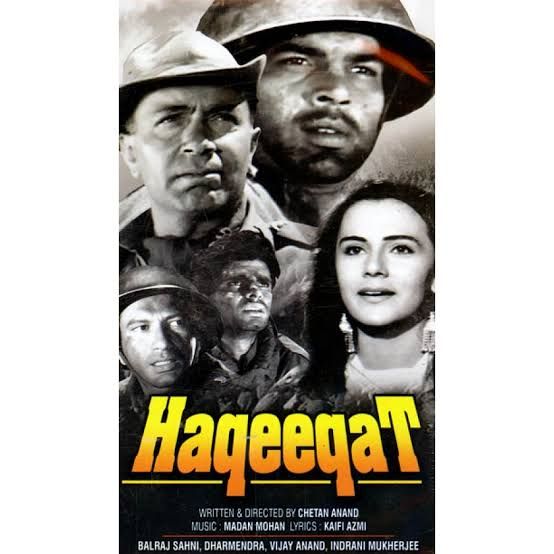
Haqeeqat (Reality) is a 1964 Indian Hindi-language war-drama film written, directed, and produced by Chetan Anand. The film is based on the events of the 1962 Sino-Indian War, focusing on a small platoon of Indian soldiers in Ladakh who are pitted against a much larger Chinese adversary. It is centered around the battle of Rezang La in Ladakh, portraying a fictionalized version of the last stand of the Ahir Company, 13 Kumaon, led by Major Shaitan Singh. Beyond depicting the war, the film dramatically explores the impact of war on the common soldier.
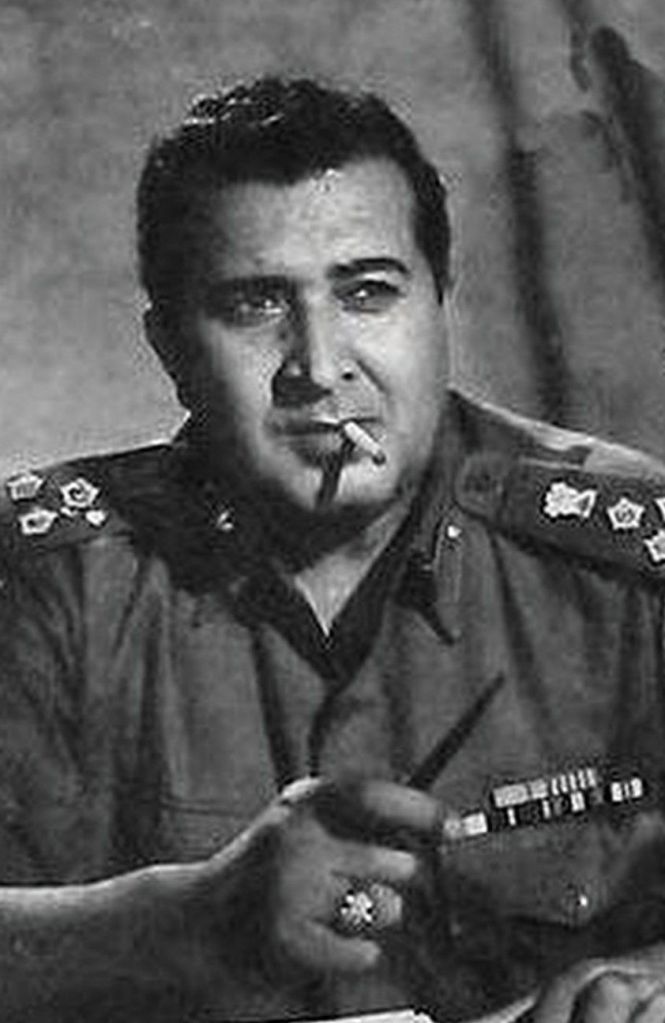
The main plot follows Captain Bahadur Singh (Dharmendra), a keen young soldier leading his platoon in the challenging terrain of Ladakh. During a visit to Kashmir and Ladakh, Brigadier Singh (Jayant) receives news of Chinese troops encroaching along the border and orders Major Ranjit Singh (Balraj Sahni) to send his officers to secure the posts. The soldiers, outnumbered and outmaneuvered, face the harsh conditions as they await further instructions. Captain Bahadur Singh makes every effort to ensure his soldiers’ safe retreat, sacrificing his life in the process. The subplot features Bahadur Singh’s romance with a Ladakhi girl, Angmo (Priya Rajvansh), and his mentorship of her brother, Sonam, who dreams of becoming a soldier.
The film’s music, composed by Madan Mohan with lyrics by Kaifi Azmi, includes several notable songs. The soundtrack starts with lively romantic tunes and transitions to more epic, somber, and celebratory tones. The song “Ab Tumhare Hawaale Watan Saathiyon,” sung by Mohammed Rafi, has become synonymous with patriotism in India, particularly with the lyrics “Kar chale ham fida jan-o-tan sathiyon, Ab tumhare havale vatan sathiyon” (‘We have sacrificed our lives and our souls, the country is in your custody, comrades’). This song, over five minutes long, plays at the film’s end, accompanied by visuals of fallen Indian soldiers. Another song, “Ho Ke Majboor Mujhe Usne Bhulaya Hoga,” is a poignant reflection on the soldiers’ experiences, serving as a distraction from the ravages of war.
Chetan Anand dedicated Haqeeqat to Jawaharlal Nehru and the soldiers in Ladakh. The film is widely regarded as one of India’s greatest black-and-white war films, made with government and army assistance. Parts of the film were shot on location in Ladakh, and despite the challenges of hunger, fatigue, and cold, the soldiers’ bravery in defending India’s borders is vividly portrayed. The film also highlights the anxiety of the soldiers’ families, who await news while the rest of the country celebrates Diwali. The song “Aayi Ab Ke Saal Diwali” captures the loneliness of those whose loved ones are away at war. Anand’s script is rich with simple yet moving scenes depicting the soldiers’ and their families’ sacrifices.
The film features superb performances, particularly by Balraj Sahni as the commanding officer of the ill-fated platoon, who inspires his men to fight for the country despite overwhelming odds. Jayant and Dharmendra also deliver strong performances, with Dharmendra marking an early success in his career. Shaukat Azmi and others effortlessly bring their characters to life.
Gita Viswanath notes that the film portrays traditional gender roles, with male characters as active heroes and female characters as passive supporters. The film also explores the tension between family and national duty, particularly through the father-son duo of Brigadier Singh and Captain Bahadur Singh, who must balance their roles as soldiers and family members. Haqeeqat aims to depict a moral victory for India.
Haqeeqat won the National Film Award for Second Best Feature Film in 1965. A colorized version of the film was released in 2012. The film was also screened retrospectively on August 12, 2016, at the Independence Day Film Festival, jointly presented by the Indian Directorate of Film Festivals and the Ministry of Defence, to commemorate the 70th Indian Independence Day.
Photos courtesy Google. Excerpts taken from Google.
 Writer Sunita