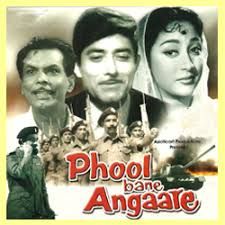
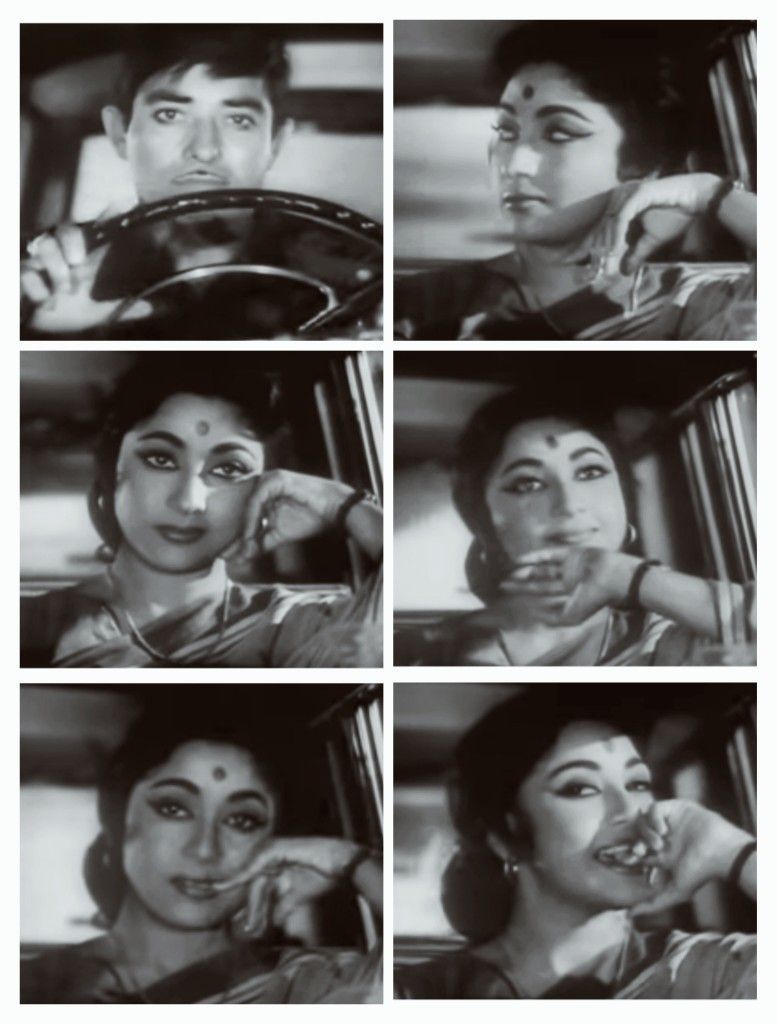
Phool Bane Angaare (1963), directed by Suraj Prakash, is one of the many Bollywood films inspired by the tense political atmosphere and wars India faced in the 1960s. Starring Mala Sinha, Raaj Kumar, and debutante Ashish Kumar, Phool Bane Angaare presents a melodramatic and emotional narrative reflecting the sentiments of the time.
Phool Bane Angaare begins with a heartfelt love story between Captain Rajesh (Raaj Kumar), a dedicated army officer, and Usha (Mala Sinha), a modest, hardworking woman living with her widow mother and younger brother, आशिष. Usha is the pillar of her small family, earning a living through tutoring to support her household.
The film takes a unique emotional turn through the character of Ashish, Usha’s much younger brother. Out of love and consideration for her young brother, Usha makes the difficult decision to postpone her marriage with Captain Rajesh, despite her own desires and Rajesh’s commitment to her. Usha’s sacrifice and the family bond between her and Ashish take center stage in this part of the film.
Meanwhile, Rajesh, a patriotic and responsible army officer, is assigned a critical mission abroad. This mission becomes prolonged, and Rajesh is unable to return for many years, leaving Usha and their potential future together in limbo. His extended absence adds another layer of emotional struggle for Usha, who is caught between her duty toward her family and her love for Rajesh.
During Captain Rajesh’s long absence on a mission, his elderly mother (Mumtaz Begum) lives alone, growing older and frailer, while Usha is left to care for her younger brother Ashish, who has now matured into a young man. Usha’s mother passes away during this period, leaving Usha with even greater responsibilities.
Ashish, despite his elder sister’s sacrifices, falls in love with Kamla (Nasreen), a spoiled and wealthy girl. Usha, who knows Kamla’s flawed personality from having tutored her, disapproves of the match and advises Ashish against marrying her. Ashish, blinded by his affection for Kamla, marries her against Usha’s wishes. Once married, Kamla begins to mistreat Usha, treating her with disrespect and indifference despite Usha’s lifelong devotion to her brother. Ashish, now a henpecked husband, sides with his wife, leaving Usha feeling abandoned and insulted.
Faced with her brother’s betrayal and Kamla’s cruelty, Usha decides to leave her parental home, cutting ties with the family she had always prioritized. Fate leads her to become the caretaker and governess of Rajesh’s ailing mother, unaware that the home she now serves is the one that was meant to be her marital home, Rajesh’s house. Rajesh’s mother, unaware that Usha is the very girl her son had once loved and planned to marry, is moved by Usha’s kind and selfless nature. Through her tireless care and nurturing spirit, Usha wins over the old woman’s heart.
When Rajesh finally returns after many years, he is overjoyed to find Usha in his home, still devoted and faithful. His mother, now fully aware of Usha’s identity and her connection to her son, is thrilled. Grateful for Usha’s loyalty and service, and seeing how much she means to her son, she arranges their long-awaited marriage with great happiness.
Phool Bane Angaare is a standard black-and-white film of its era. While it may not boast cutting-edge cinematography or special effects, it manages to serve its narrative effectively. The war scenes, though not outstanding or grand in scale, fulfill the needs of the story and contribute to the patriotic undertones of the film. Given the film’s primary focus on emotional drama, relationships, and personal sacrifice, the technical aspects, including the war sequences, are secondary but still adequate in maintaining the flow of the story.
The title Phool Bane Angaare seems to symbolically represent the transformation of Usha’s gentle, nurturing life into a more complex, challenging reality, where she must face harsh circumstances and difficult decisions. The film sets the stage for a broader narrative of sacrifice, love, and loyalty, themes that are likely explored in greater depth as the story unfolds, reflecting the turmoil and resilience mirrored in the patriotic backdrop of the film.
The plot likely focuses on the themes of sacrifice, national duty, and the hardships faced by ordinary people during turbulent times. The film taps into the collective sense of pride and resilience that India maintained, despite the severe economic and social hardships caused by these wars. Like other patriotic movies of the era, it reflects the cultural and emotional response to the nation’s trials and tribulations, delivering a message of strength and endurance.
Raaj Kumar, known for his intense screen presence, would have brought a sense of gravitas to the role, while Mala Sinha, a seasoned actress, would have played her part with emotional depth. The patriotic fervor that inspired this film and others of its kind would have resonated strongly with audiences, offering both entertainment and a sense of national unity during a time of adversity.
Kalyanji-Anandji composed a memorable soundtrack for Phool Bane Angaare, beautifully complemented by Anand Bakshi’s poignant lyrics. The film’s title song, Watan Pe Jo Fida Hoga, is deeply patriotic, with lines like Himalay Ki Bulandi Se Suno Aawaaz Hai Aai calling for the defense of the nation. The song poignantly captures the eternal struggles and sacrifices of the Indian soldiers, a theme that resonates even today. As pointed out, with ongoing tensions on India’s borders and the sacrifices of soldiers, the message of this song feels especially relevant. The call for mothers to give their sons and sisters to give their brothers for the country echoes across generations, making it a powerful anthem of sacrifice and valor.
“Chaand Aahen Bharega, Phool Dil Thaam Lenge” is the poetic metaphors used in the song, with imagery such as the moon sighing and flowers trembling at the sight of the woman’s beauty, elevate its romantic tone. This graceful praise of the woman’s allure feels both grand and delicate, making the song resonate deeply with its listeners. Mukesh’s soulful voice enhances the emotional quality of the song, while Anand Bakshi’s lyrics, filled with romantic admiration, leave an indelible mark. The soft and lingering melody complements the poetic charm, making it a timeless expression of love. This song, with its heartfelt delivery and evocative imagery, of romantic admiration, capturing the essence of classic romance in the film.
In reviewing this film, its music, and its deeper themes of patriotism and personal sacrifice, Phool Bane Angaare remains a relevant cinematic piece. It serves as a reminder of the challenges India has faced and the enduring spirit of resilience that continues to define the nation. The music, with its timeless quality and emotional depth, adds immense value to the film and leaves a lasting impact on the audience, making it more than just a story but a tribute to India’s ongoing struggles and triumphs.
Photos courtesy Google. Excerpts taken from Google.
 Writer Sunita