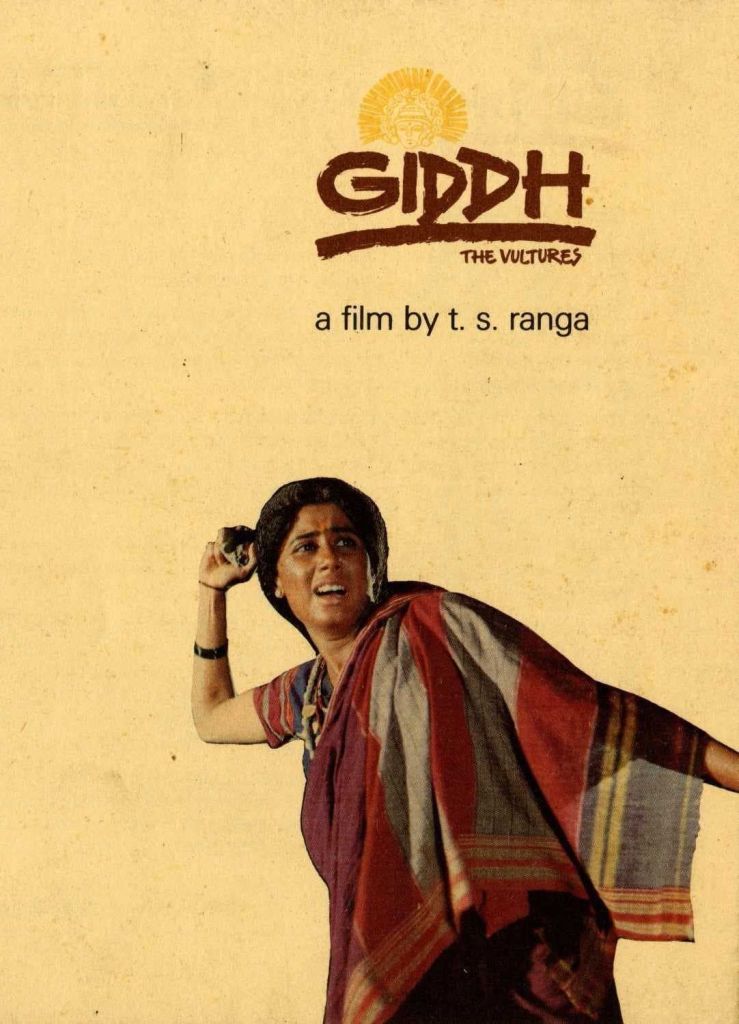
Giddh (1984), directed by T. S. Ranga, is a powerful and socially significant film that exposes the harsh reality of the exploitative Devadasi tradition, which traps women in ritualistic servitude under the guise of religion.
The film takes us to a remote village on the Karnataka–Maharashtra border, where innocent young girls are dedicated to Goddess Yellamma. In reality, this practice becomes a means of exploitation, as landlords, priests, and wealthy men take advantage of them, while pimps traffic them to brothels in Bombay.
At the center of the story are Bhashya, a poor laborer, and his wife Hanumi. Despite their poverty, they retain their humanity. When a young girl, Lakshmi, is forced into becoming a Devadasi, they are shaken and decide to fight against the system to save her. They are joined by Masterji, an educated and aware individual, but their struggle is far from easy as they face the powerful village head, Desai, and a fearful, silent community.
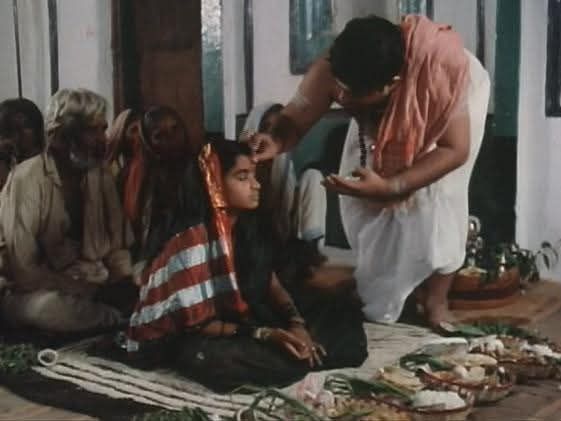
As the day of Lakshmi’s dedication approaches, tension rises. Bhashya and Hanumi make a final stand against a system rooted in tradition and power. The climax presents a powerful conflict between blind tradition and human compassion, leaving a deep impact on the viewer.
The title Giddh (vulture) symbolizes those in society who prey on the innocent. The film raises important questions—Is tradition more important than humanity? Can we stand against injustice?
Director T. S. Ranga presents the film in a starkly realistic style, using real locations, natural lighting, and simple cinematography to bring rural life vividly to life. Without exaggeration, he effectively portrays superstition, poverty, and feudal oppression, while staying true to local language and culture. The film strongly conveys a message of social awakening.
The music by B. V. Karanth blends folk and classical elements, with songs like “Yellamma Yellamma” and “Main Nadiya Ban Jaoon” adding emotional depth. The editing enhances the film’s realism, allowing scenes to breathe and using suggestion rather than explicit depiction of violence, while symbolic imagery like vultures reinforces the theme of exploitation.
Om Puri delivers a powerful performance as Bhashya, a poor yet honest and courageous laborer. Smita Patil shines as Hanumi, a strong and determined woman who fights against injustice and strives to save Lakshmi, embodying both vulnerability and resilience. Nana Patekar portrays Veerappan, a ruthless pimp who deceives and traffics innocent girls, representing the darker forces of exploitation in society.
By exposing the brutal reality of the Devadasi system, Giddh stands as a stark reminder of the injustice carried out in the name of tradition and highlights the urgent need for awareness and courage to bring change. The film was honored with the Special Jury Award at the 32nd National Film Awards for its impactful portrayal of this social issue.
📸 Photo courtesy: Google. ✍️ Excerpts: Google.

