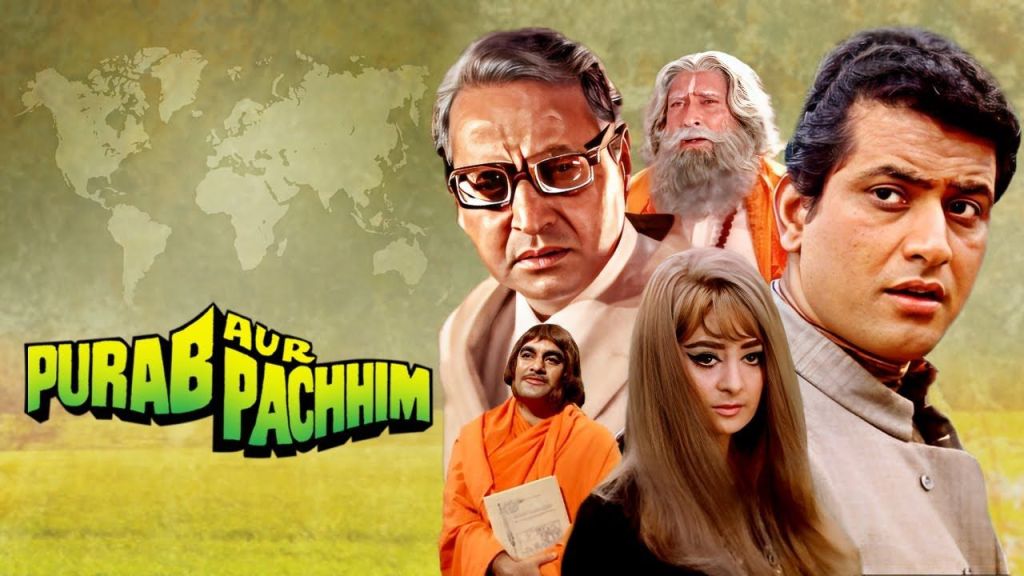

Purab Aur Pachhim is a 1970 Indian Hindi-language drama film, produced and directed by Manoj Kumar. The film stars Manoj Kumar, Saira Banu, Ashok Kumar, Pran, and Prem Chopra in prominent roles. With music composed by the legendary duo Kalyanji-Anandji, the film blends drama, romance, and a deep sense of patriotism. It explores the cultural clash between traditional Indian values and Western lifestyles through the story of Bharat, an idealistic Indian who travels to England and encounters both disillusionment and transformation.
In the wake of the Quit India Movement in 1942, Harnam (Pran) betrays a freedom fighter. As a reward for his treachery, he gains wealth and status, while the betrayed patriot is killed—leaving behind his wife Ganga (Kamini Kaushal) and their family devastated and destitute.
Years later, after India gains independence, the martyr’s son Bharat (meaning India), played by Manoj Kumar, grows up to be an idealistic young man. He travels to London for higher studies, carrying with him the values and pride of his motherland.
Upon arriving in Britain, Bharat is welcomed by Sharma (Madan Puri), a college friend of his late father. Sharma lives with his Westernised wife Rita (Shammi), their daughter Preeti (Saira Banu), and their hippie son Shankar (Rajendra Nath). Preeti, entirely influenced by the West, wears modern clothes, has long blonde hair, drinks, smokes, and appears indifferent to Indian culture and traditions.
Bharat is taken aback by the cultural detachment of many Indians in London—some have even changed their names to sound more Western. However, he also notices a nostalgic longing in others, like Sharma, who cherishes his collection of K. L. Saigal records despite living abroad for years.
Determined to rekindle a sense of pride in Indian identity, Bharat begins influencing those around him, especially Preeti. As they spend more time together, Preeti finds herself drawn to Bharat’s values, and the two fall in love. With blessings from his mother Ganga and his spiritual guide Guruji (Ashok Kumar), Bharat decides to marry Preeti.
Initially reluctant to leave her life in Britain, Preeti eventually embraces Bharat’s ideals and agrees to adopt a traditional Indian lifestyle, culminating in her transformation and commitment to her roots.
The songs of Purab Aur Pachhim are one of its major highlights and played a crucial role in reinforcing the film’s patriotic and emotional themes. Composed by Kalyanji-Anandji with lyrics by Indeevar, the soundtrack beautifully blends Indian classical melodies with soulful lyrics.
Purab aur Pachhim ka sandesh suno, re duniya walon…” (The East and the West, O people of the world…) is a beautiful and thematically rich song, sung by Mahendra Kapoor. In this song, Bharat delivers a heartfelt message metaphorically and musically to Indians who have settled abroad. It is not a condemnation of the West, but rather a gentle plea to remember and respect Indian culture, values, and traditions. The song acts almost like a philosophical and moral compass for the diaspora.
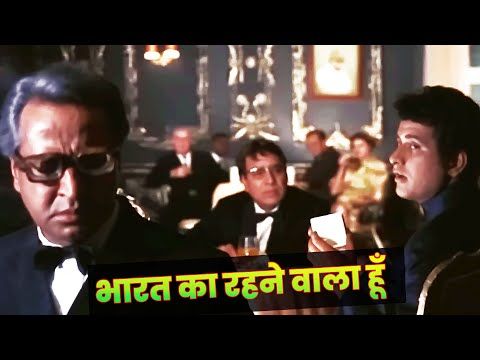
“Bharat ka rehne wala hoon, Bharat ki baat sunata hoon” (I am a resident of India, I speak the voice of India) is one of the most iconic and emotionally stirring patriotic song. It became a cultural anthem for Indians at home and abroad, especially resonating with the Indian diaspora.
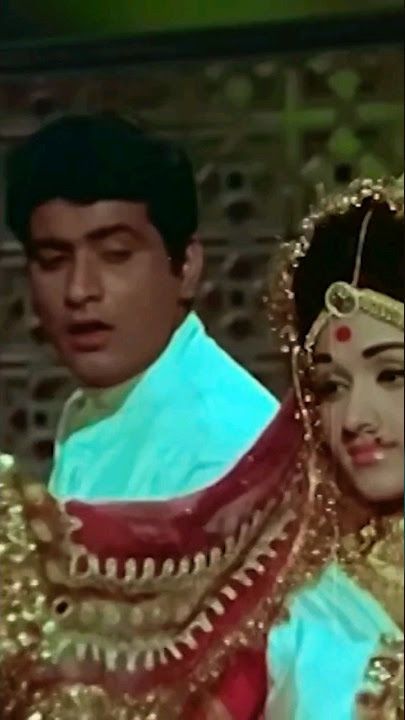
“Dulhan chali, pehan chali, sab ke mann ko bhaane” (The bride sets forth, adorned in beauty, captivating every heart), a powerful patriotic anthem expressing pride in India, symbolically referring to the country as a bride. This is perhaps the most iconic song from the film.
“Koi Jab Tumhara Hriday Tod De”, a soulful and emotional number about heartbreak and resilience, beautifully rendered by Mukesh. “Om Jai Jagdish Hare” a devotional aarti that appears in a significant cultural moment in the film, reinforcing spiritual values. “Tum Mujhe Yun Bhula Na Paaoge” hauntingly romantic song full of longing and emotional depth, sung masterfully by Rafi. “Aa Ja Re Aa Zara” a sensuous and slightly Westernized number, reflecting the modernized persona of Preeti (Saira Banu) early in the film.
Each of these songs serves a thematic purpose, whether it’s to highlight cultural pride, emotional conflict, or romantic tension and they remain memorable even decades after the film’s release.
Manoj Kumar played a dual role—as both the director and the lead actor. His contribution to the film is foundational, as he shaped not just the narrative and visuals, but also gave life to its strong patriotic soul. He used the medium to deliver a strong social and patriotic message about preserving Indian values in the face of Western influence. The direction contrasts the moral, spiritual richness of the East (Purab) with the materialistic and fast-paced lifestyle of the West (Pachhim). The storytelling balances drama, romance, music, and ideology, while never becoming preachy. He used symbolism powerfully—like the traditional Indian attire versus Western clothing, or classical music versus rock and roll.
Manoj Kumar plays Bharat, the son of a martyred freedom fighter. Bharat travels to London for his higher studies and is shocked to see many Indians there are ashamed of their roots. He stands as a symbol of Indian culture, morality, and spirituality, challenging the westernized, disconnected diaspora. Bharat falls in love with Preeti, who at first is fully Westernized, but through her love for him and his influence, slowly reconnects with her Indian heritage. His character is honest, idealistic, respectful, and deeply rooted in Indian values, an emblem of what Manoj Kumar often portrayed in his cinema.
Pran and Madan Puri play significant supporting roles that represent two contrasting facets of the Indian identity in a post-independence, globalized world. Harnam represents the corrupted Indian elite, those who turned against their own countrymen for personal gain. Pran brings a quiet menace to the role, but his expressions also show guilt and internal conflict at times, making Harnam more layered. Madan Puri as Sharma stands for the well-meaning, culturally rooted Indian expatriate, who doesn’t oppose Indian culture but feels powerless against the forces of Westernization especially within his own family. His character acts as a bridge between the East and West.
V. N. Reddy’s cinematography played a significant role in enhancing the emotional impact and social themes of the movie. His cinematography contributed significantly to the film’s enduring inpact as a social drama that bridged the gap between the East and West.
Under B. S. Glad’s expert editing cut between sequences of traditional Indian settings and western style life to highlight the culture divide.
In India, Purab Aur Pachhim grossed an impressive ₹45 million, making it the fourth highest-grossing film of 1970 at the Indian box office.
Overseas, the film achieved remarkable success in the United Kingdom, where it was released in 1971. It ran for over 50 weeks in London—an extraordinary feat for a Hindi film at the time. The movie grossed £285,000 in the UK, equivalent to ₹2.5 million. In fact, Purab Aur Pachhim held the record for the highest-grossing Indian film in the UK for an astonishing 23 years.
Photos courtesy Google. Excerpts taken from Google.
 Writer Sunita