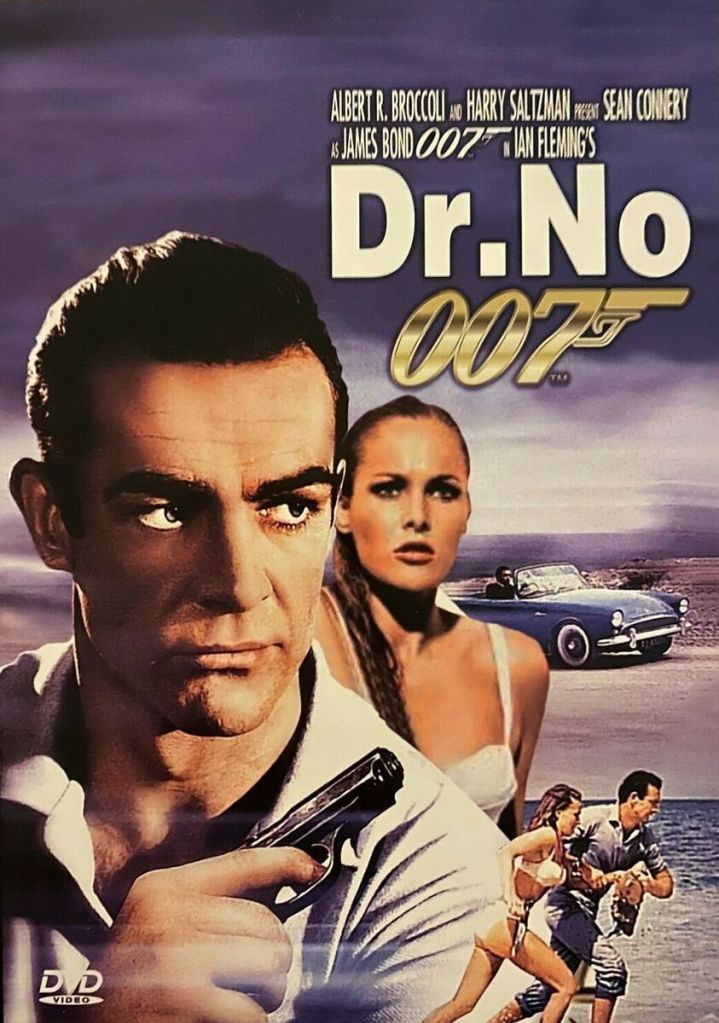

Dr. No (1962) is a landmark British spy film. It was the first ever James Bond movie, introducing the world to Sean Connery as 007, the suave and resourceful British MI6 secret agent created by author Ian Fleming. Film Directed by Terence Young and Produced by Harry Saltzman & Albert R. Broccoli. Film Based on Ian Fleming’s 1958 novel Dr. No. The film that launched one of the most iconic franchises in cinematic history.
The beginning of Dr. No, the first James Bond film, the murder of MI6 Station Chief John Strangways and his secretary in Jamaica. The introduction of James Bond through his iconic baccarat game, and his subsequent assignment by notably head of MI6, to investigate.
Bond’s early investigation in Jamaica, introduces key characters like Quarrel and Felix Leiter, and shows Bond’s cleverness and toughness surviving an assassination attempt, uncovering corruption, and eliminating enemies like Professor Dent.
Bond’s journey to Crab Key and his iconic meeting with Honey Ryder, played by Ursula Andress. The “dragon” tank and Quarrel’s death underscore the dangers of the island. The inclusion of the radioactive contamination and decontamination process heightens the sense of mystery and the villain’s technological capabilities.
Bond’s face off with the villainous Dr. No an early template for Bond antagonists revealing his SPECTRE ties and his scheme to sabotage a U.S. space launch. Bond’s escape, sabotage of the reactor, and the villain’s death are classic elements of Bond finales, with the romantic ending on the boat firmly establishing the formula the franchise would follow.
The music in Dr. No, Monty Norman was chosen to compose the score due to his earlier work, and how his theme arranged by John Barry became emblematic of the Bond character. The passage also addresses the long standing dispute over authorship of the theme, which legal rulings ultimately attributed to Norman. It further highlights the musical integration of Caribbean culture through calypso songs like “Three Blind Mice,” “Jump Up,” and “Under the Mango Tree,” the latter famously associated with Honey Ryder’s entrance.
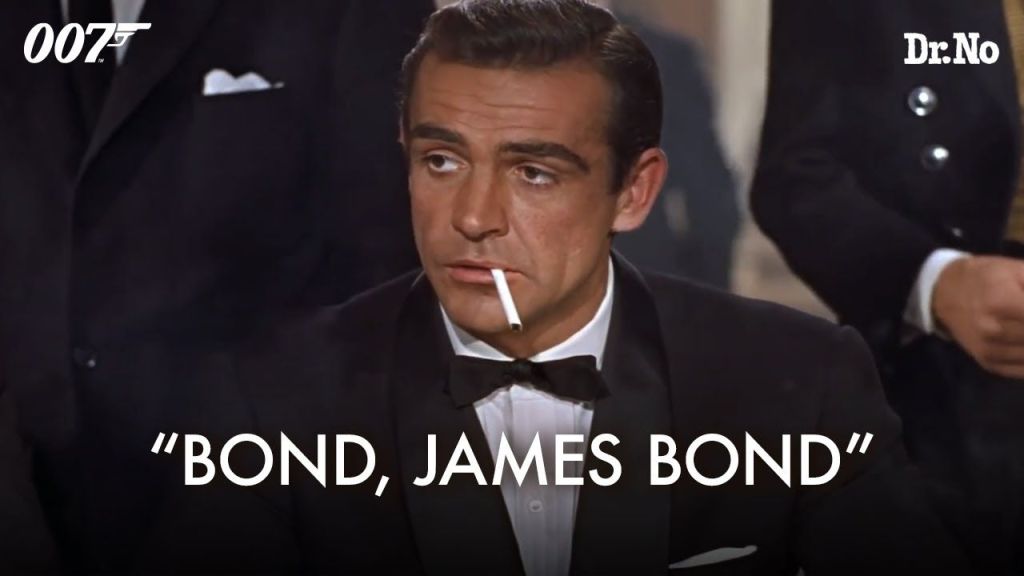
The introduction of James Bond in Dr. No. Set in the elegant Le Cercle club, the scene establishes Bond’s persona through visuals, dialogue, and music. His suave reply “Bond, James Bond” delivered with poise and punctuated by the now legendary theme music, became instantly memorable. The moment encapsulates Bond’s combination of charm, danger, and sophistication, firmly rooting him in pop culture. As noted by critics and scholars, it wasn’t just a line it was a cinematic statement that shaped how audiences would perceive the character for decades.
The cinematography of Ted Moore in Dr. No played a pivotal role in establishing the visual style of the James Bond franchise. As the director of photography, Moore brought a polished, colorful, and atmospheric look to the film that balanced exotic location work in Jamaica with sleek, stylish interiors setting a tone that would define the series for years.
Moore used Eastmancolor film stock to vividly capture the lush Jamaican landscapes, creating a vibrant contrast to the grayness of early 1960s British cinema. His use of bold, saturated color gave the film an exotic allure that matched Bond’s jet-setting image and underscored the escapist fantasy of the series.
Moore’s lighting created atmosphere whether in the shadowy corners of Strangways’ house, the dramatic contrasts in Dr. No’s lair, or the romantic moonlit scenes with Honey Ryder. He made deliberate use of wide compositions and elegant tracking shots, often framing Bond in assertive, commanding positions. His camera placement reinforced Bond’s control over his environment, a visual storytelling choice that complemented the character’s cool demeanor and authority.
The Le Cercle casino scene, where Bond is introduced, is a standout. Moore’s tight framing, strategic use of mirrors, and subtle tracking build anticipation before Sean Connery delivers the immortal “Bond, James Bond” line. The lighting on Connery’s face shadowed yet sharp adds mystery and magnetism.
Peter Hunt’s editing brought a snappy, fast-moving pace that helped mask the film’s low budget and made it feel modern and energetic. He was instrumental in making the film flow smoothly between location shots, dialogue, action, and suspense. This tight pacing became a hallmark of the Bond franchise.
Hunt used quick cuts, impactful sound cues, and rhythmic montage to heighten suspense and excitement. For example, the tarantula scene is made far more frightening through tight, fast cuts between Bond’s tense face and the crawling spider. Bond’s fight with Quarrel, and later Dent’s assassination, are lean, sharply edited sequences that maintain tension without excess.
He introduced stylized jump cuts, wipe transitions, and other editing flourishes that gave Dr. No a slightly jazzy, modern feel compared to the more staid editing styles of British thrillers at the time. These choices enhanced the film’s “cool” factor. His cutting around Connery’s performance emphasized Bond’s charm, efficiency, and lethal nature.
Sean Connery’s portrayal of James Bond in Dr. No was instrumental in defining the character and establishing the franchise’s enduring legacy. His performance blended charisma, danger, and sophistication, setting a benchmark for all subsequent portrayals of the iconic spy.
Connery’s athletic build and commanding presence translated seamlessly into action sequences. His portrayal combined physical prowess with a calm demeanor, making Bond’s confrontations both believable and engaging. Director Terence Young’s guidance helped Connery refine his movements, ensuring that Bond’s actions were both graceful and lethal .
Beyond the action, Connery infused Bond with depth and complexity. He portrayed Bond’s vulnerability, wit, and occasional warmth, particularly in his interactions with characters like Honey Ryder. His portrayal set the standard for the modern action hero, blending charm, intelligence, and physicality. The success of Dr. No propelled Connery to international stardom and solidified Bond’s place in cinematic history .
Sean Connery’s performance in Dr. No was not just an introduction to James Bond; it was a masterclass in character creation. His blend of charisma, physicality, and emotional depth laid the foundation for the Bond franchise and left an indelible mark on film history.
The release of Dr. No, noting its world premiere at the London Pavilion on 5 October 1962, with a wider UK release shortly after. Its North American debut was more modest, starting in select U.S. regions in May 1963. The film then expanded to major cities like Los Angeles and New York City, where United Artists employed a “Premiere Showcase” strategy targeting multiple neighborhood cinemas rather than expensive Broadway venues, a tactic to build momentum and avoid high distribution costs.
Photos courtesy Google. Excerpts taken from Google.
 Writer Sunita