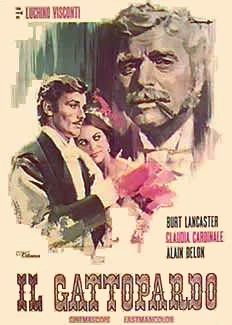
The Leopard is a famous historical drama film from 1963, directed by Luchino Visconti. The movie is based on a 1958 novel of the same name written by Giuseppe Tomasi di Lampedusa. The screenplay was written by Visconti and others, including Suso Cecchi d’Amico and Enrico Medioli.
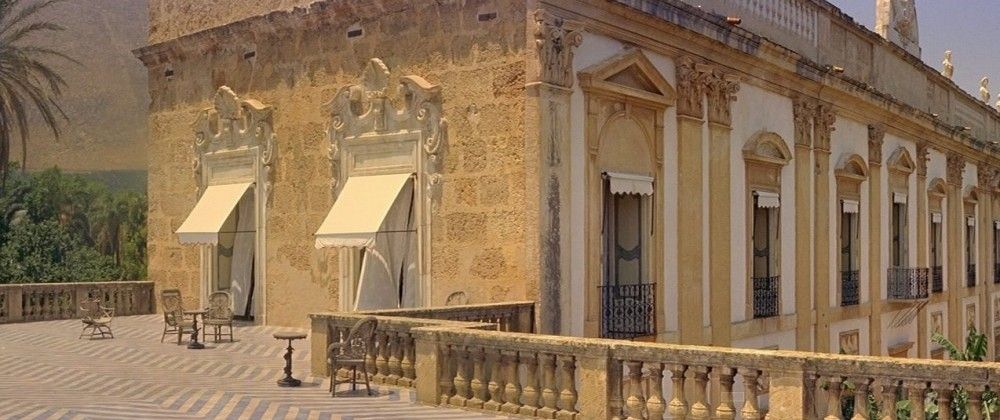
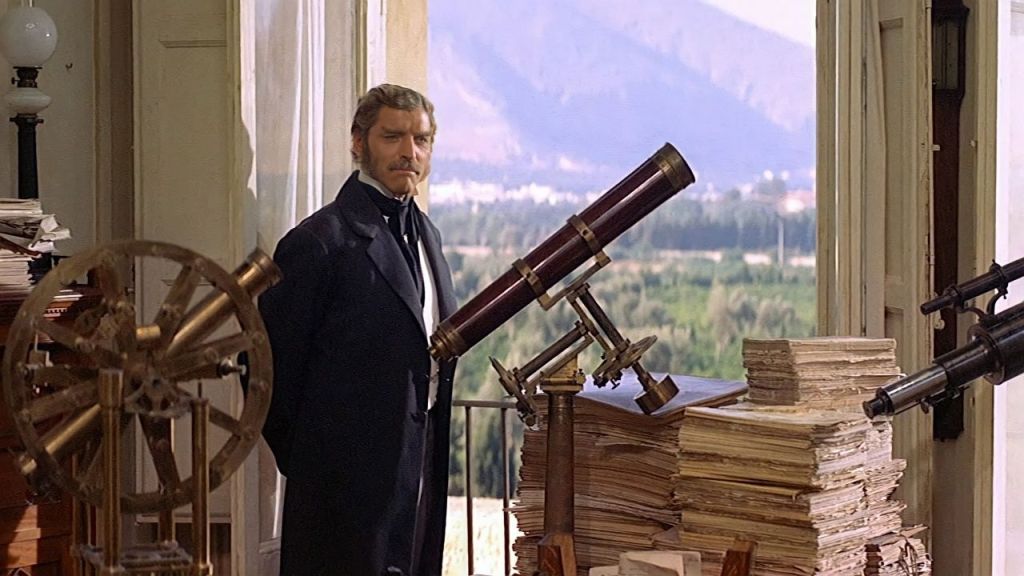
In The Leopard, the Prince of Salina, Don Fabrizio (played by Burt Lancaster), is a rich and educated man. He lives in a big, beautiful house filled with art, and his land needs a lot of attention to stay in good shape. One day, a soldier is found dead in his garden. Some workers nearby are shown for a short time, but their lives are not the focus of the story.
There is political trouble happening nearby (Garibaldi’s rebellion), but the prince is not very worried about it. In fact, he seems a little excited by the change. After this, he goes to town to visit his mistress.
On the way to see his mistress, Don Fabrizio takes along the quiet Father Pirrone. The priest says nothing even when the prince makes fun of the Jesuits. When they reach a church, the priest stays there, understanding where the prince is really going. Outside the mistress’s house, a woman calls out to the prince, probably offering herself to him.
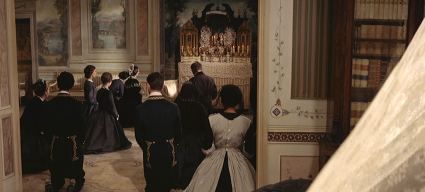
Don Fabrizio uses the family priest as an excuse to visit his mistress. Later, he tells the priest that Italy is built on deals, not real change. He believes the middle class only wants power, not to make things better. He refuses to confess his sins and jokes about his wife instead.
The priest is worried that the new political changes will hurt the church, which he says is the support of the poor. But the church itself is rich, so this seems a bit false.
The prince thinks about how nature stays beautiful and says real change is almost impossible. During a carriage ride, he laughs at the idea of progress and asks if the new rulers will at least fix the roads. This shows that he likes small, useful changes but is happy with how things are.
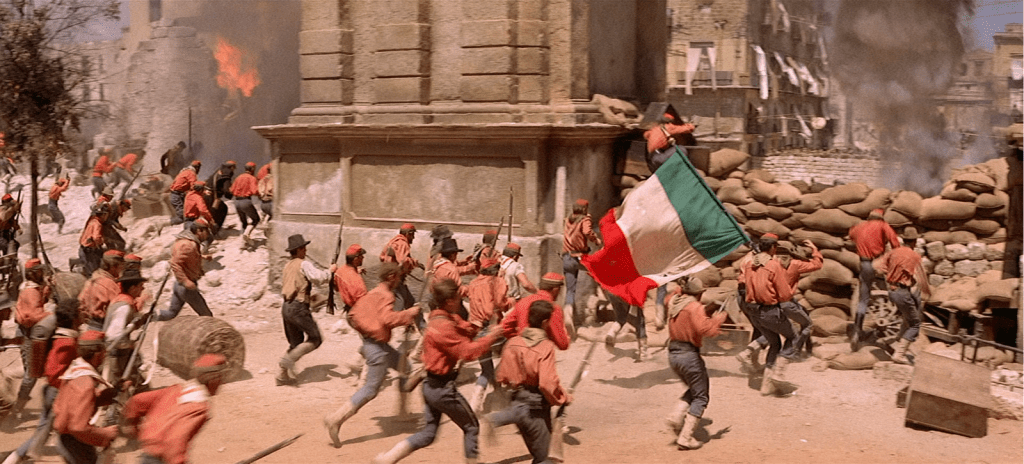
During this time, a war starts between the army of King Francis II of the Two Sicilies and a group of rebel soldiers called the “redshirts.” These redshirts are led by Giuseppe Garibaldi, a famous general who wants to unite all the different parts of Italy into one country. Garibaldi and his fighters are trying to end the rule of kings and bring change by creating a united, free Italy.
The Prince’s nephew, Tancredi, joins the rebel fighters. Even though the Prince doesn’t completely agree with the rebels, he accepts Tancredi’s decision. As the war spreads, the Prince travels to Palermo. Soon, Garibaldi’s army wins and ends the rule of the Bourbon king.
The Prince knows that change is happening. He thinks the middle class will now take control, but life will mostly look the same on the outside.
The Prince does not want to change with the times, so he leaves Palermo and goes to his summer home in Donnafugata. There, he tries to keep living the old way of life.
Soon after, a new national assembly holds a public vote to decide if Sicily should become part of a united Italy. The nationalists win every vote—512 to 0—but this result is mostly because of cheating and the power of a rich local man, Don Calogero Sedara.
Don Calogero is invited to the Corbera family’s home. He comes with his beautiful daughter, Angelica. As soon as they arrive, both Prince Fabrizio and his nephew Tancredi notice how lovely she is.
Tancredi quickly decides to marry Angelica. The Prince agrees with this idea. He knows Tancredi wants to succeed in politics, and he also understands that money is important in the new society. Since Don Calogero is rich, the Prince sees the marriage as a smart choice.
With both families happy about it, Tancredi and Angelica get engaged.
Later, the Prince sees that Tancredi has changed sides, he leaves Garibaldi’s rebel army and joins the army of King Victor Emmanuel. This shows the Prince that Tancredi is an opportunist, someone who switches sides to benefit himself.
The Prince quietly accepts this. He understands that in the new Italy, it is people like Tancredi clever and willing to change sides, who will succeed.
Cavalier Chevalley, a man from the new Italian government, visits the Prince and asks him to join the new senate. He believes the Prince is wise and kind, and hopes he can help make life better for the poor and uneducated people in Sicily.
But the Prince politely says no. He explains that Sicilian people are proud of their old ways and do not like change. He says that noble rulers like him the “leopards and lions” will soon be replaced by smart and practical men the “jackals and hyenas.” Still, the regular people, whom he calls “sheep,” will keep thinking they are the best part of society.
In the end, the Prince says that Don Calogero would be a better choice for senator.
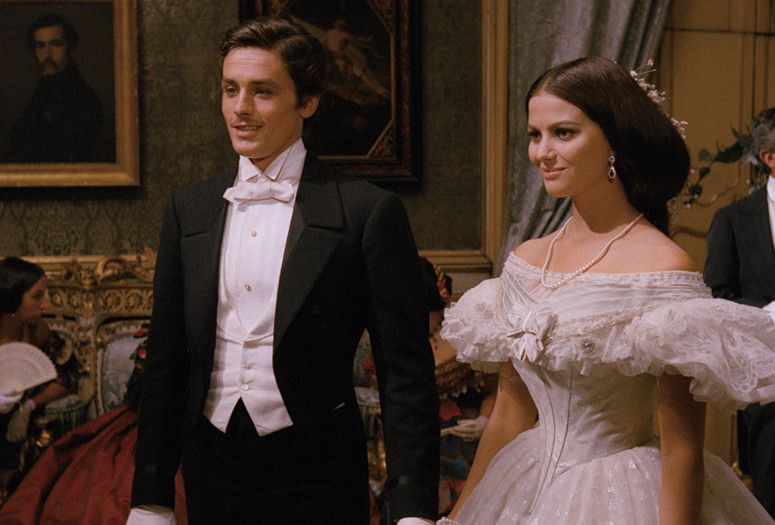
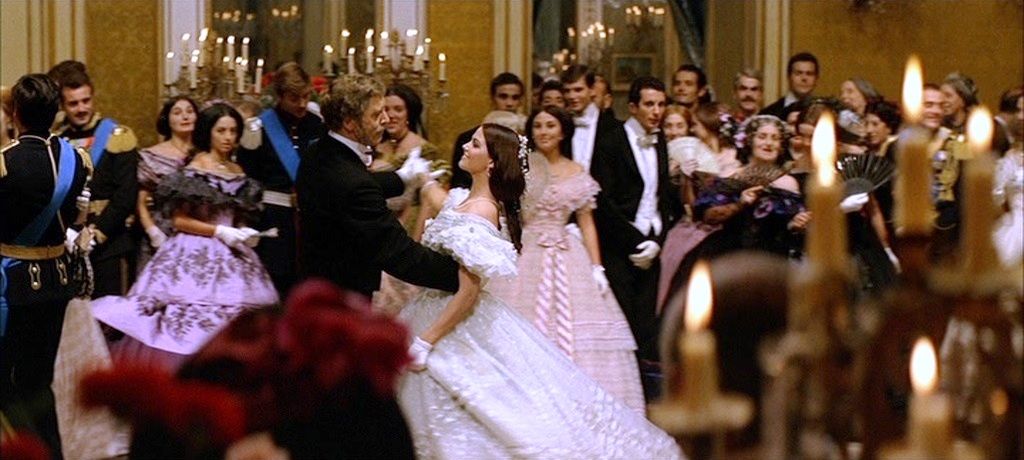
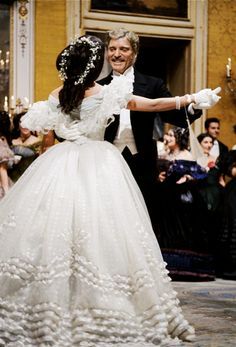
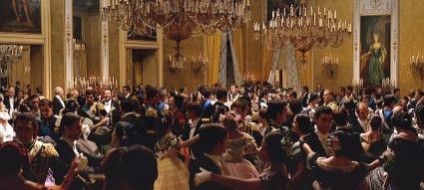
The Corbera family, along with Tancredi, go to a grand ball at the home of a nearby prince. This party is important because it is Angelica’s first big appearance in high society.
As the evening goes on, the Prince feels sad and out of place. He sees that his old way of life is fading, and new, rich people are taking over. He walks quietly through the rooms, feeling more and more disappointed.
Later, Angelica asks him to dance. He says yes, and for a short time, he feels young, graceful, and full of life again. But when the dance ends, his sadness and feeling of being out of touch with the new world come back.
In the early morning, the Prince leaves the ball by himself. He walks slowly through the quiet, empty streets, feeling sad and alone. He stops to let a priest pass by, who is going to give last rites to someone who is dying.
Then, the Prince keeps walking and slowly disappears into a dark alley. This dark alley is a symbol of Italy’s fading past a past the Prince now feels is his true place.
Luchino Visconti’s The Leopard is a beautiful film with rich sets and costumes that make 19th-century Sicily feel real. His direction shows he deeply understands his characters, especially the quiet sadness of Prince Fabrizio.
Visconti uses smooth camera movements and an artistic style to give the film a thoughtful, sometimes sad feeling. This matches the story of the old aristocracy slowly fading away.
Visconti himself came from a noble family, so he gives us an inside look at this disappearing world. He also shows a strong contrast between big, fancy events like balls and quiet moments—like carriage rides where silent servants, who make life easy for the rich, stay unnoticed. This helps show the deep gap between the upper and lower classes.
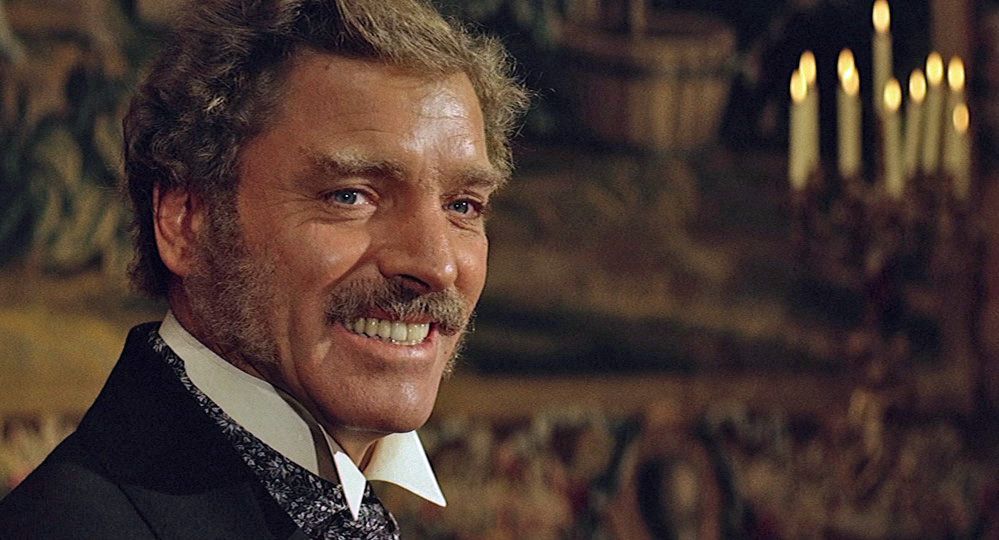
Burt Lancaster gives a quiet but powerful performance as Don Fabrizio Corbera, the aging Prince of Salina—an aristocrat who watches his world slowly disappear as Italy becomes a united country.
Don Fabrizio is both proud and sad. He accepts that the middle class is rising and supports his nephew Tancredi’s marriage to Angelica, knowing it’s a smart choice for the future.
Although Lancaster was an unusual choice for the role, under Visconti’s careful direction, he brings both dignity and deep feeling to the character. He makes the Prince a strong symbol of a noble class that is fading away with grace.
Tancredi Falconeri (played by Alain Delon) is the handsome and ambitious nephew of Prince Don Fabrizio. He stands for the younger generation that quickly adjusts to change. At first, Tancredi joins Garibaldi’s rebel army, but later he switches sides to support King Victor Emmanuel. This shows he is not a true revolutionary, but someone who changes sides to stay in power.
He chooses to marry Angelica, the rich and beautiful daughter of Don Calogero. The marriage gives him money and connects him to the rising middle class. Tancredi’s actions show ambition and smart planning. He fits well into the new Italy, unlike his uncle, the Prince, who feels lost in the changing world.
The cinematography of The Leopard was done by Giuseppe Rotunno, and it is widely praised for its beauty and emotion. Film critic Mark Lager, writing for Senses of Cinema, called Rotunno’s work both “baroque and elegiac” and “groundbreaking and reflective.”
Rotunno’s use of light, color, and careful framing perfectly matches Visconti’s vision. He shows the rich and grand world of the aristocrats, while also gently reminding us that this world is coming to an end.
His camera work especially in the famous ballroom scene is not only beautiful to look at but also full of meaning. Every shot feels like a quiet reflection on time, beauty, and a way of life that is slowly disappearing.
The costumes in The Leopard are one of the film’s most praised features. They help bring 19th-century Sicily to life in a rich and realistic way.
Designed with great care and historical accuracy, the costumes show the beauty and style of the old aristocracy. At the same time, they also reflect the growing power of the middle class (bourgeoisie). The elegant clothing helps tell the story of a changing society, where old traditions are slowly giving way to new ones.
The aristocratic costumes in The Leopard, especially those worn by Don Fabrizio and Tancredi, are made with rich fabrics, fine embroidery, and formal military uniforms. These outfits show tradition, power, and the pride of the noble class.
At the same time, they also hint at something fading the glory of the past slowly disappearing as a new world begins to take shape.
Angelica’s gowns, especially the one she wears at her ballroom debut, are rich and eye-catching. They show her entrance into high society and represent the rise of the newly rich (nouveau riche). Her style stands out, showing both beauty and new power.
The costumes in the ballroom scene are especially impressive. The screen is filled with grand, flowing dresses and perfectly tailored suits. These outfits bring the time period to life and add a sense of romantic sadness, as they reflect both elegance and the end of an era.
The costumes in The Leopard do more than just add beauty to the film they help tell the story. They highlight important themes like the shift between social classes, the pride and vanity of the characters, and the slow decline of the old world.
By carefully showing these changes through clothing, the costumes become a key part of Luchino Visconti’s storytelling, adding depth and meaning to the film’s rich visuals.
The Leopard premiered at the 1963 Cannes Film Festival, where it won the prestigious Palme d’Or. Although the film was initially released in a shortened version in the United States, the restored 185-minute version, featuring the original Italian soundtrack, was finally released there in 1983. This version received much greater critical acclaim. New York magazine described the now-iconic ballroom scene as “almost unbearably moving,” while The New York Times noted that “25 minutes can transform a very good film into a possibly great one.” Following its 2004 re-release, The Washington Post praised it as a true epic from an era “when epics looked like epics,” adding that “the movie all but weeps with a sense of emotional loss,” and offers “the sublime satisfaction of a first-time experience with a yesteryear classic.”
In 2008, the Italian government added the film to a special list called “100 Italian films to be saved”, which includes movies that have shaped the cultural memory of Italy between 1942 and 1978.
Photos courtesy Google. Excerpts taken from Google.
 Writer Sunita