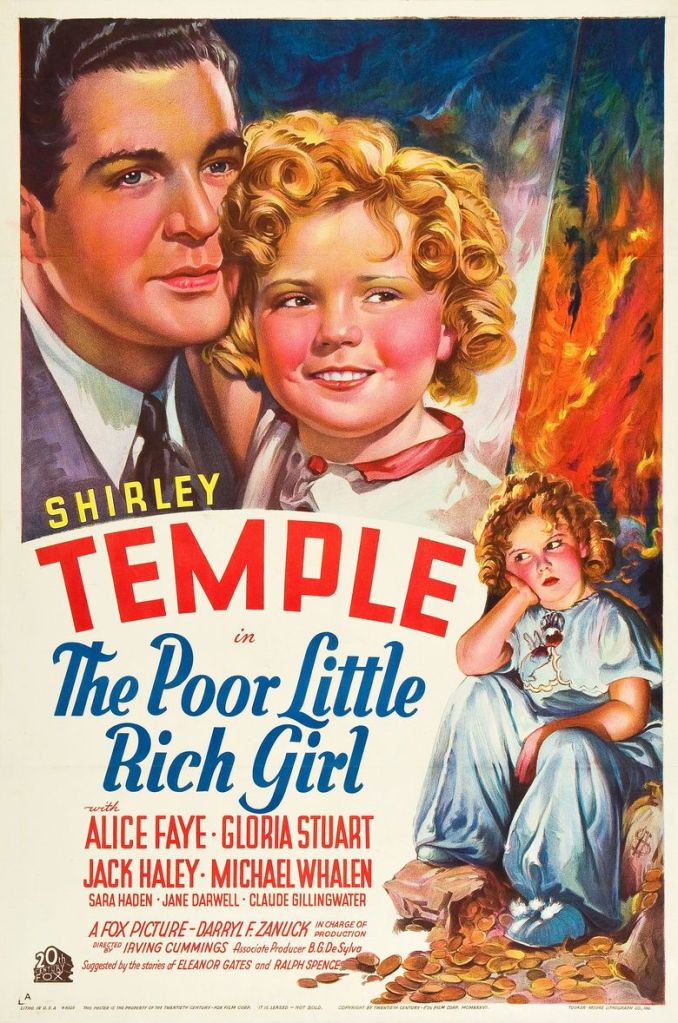
Poor Little Rich Girl is a 1936 American musical movie starring Shirley Temple, Alice Faye, and Jack Haley. It was directed by Irving Cummings and based on earlier stories and a 1917 film.
The story is about a wealthy soap maker believes his daughter Barbara is safely on her way to boarding school, but she has actually joined a kind vaudeville couple and become part of their act. Their first audition leads to a radio show sponsored by a rival soap company, and they quickly become popular stars. One day, Barbara’s father hears the broadcast and is shocked to discover that his daughter is performing for his biggest competitor.
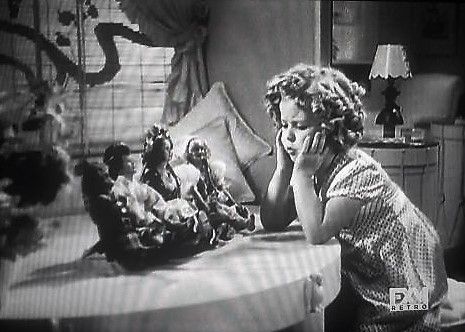
Barbara Barry is the only daughter of Richard Barry (played by Michael Whalen), a wealthy and recently widowed soap manufacturer. Since her mother’s death, Barbara has been cared for by a strict nanny named Collins (Sara Haden), who keeps a close eye on her. One night, Collins sends Barbara to bed just for sneezing, which makes her father realize how lonely his daughter is. Wanting her to be around children her own age, Richard decides to send her to a boarding school. The next day, Barbara and Collins go to the train station, but they get separated when Collins chases after a thief who steals her handbag. Tragically, Collins is hit by a car and killed, leaving Barbara alone. When her nanny doesn’t return, the young girl bravely sets off into the city on her own.
Now all alone in the city, Barbara pretends to be an orphan and calls herself Betsy Ware, a character from her favorite book. She does this so no one will find out who she really is. While wandering the streets, she meets a kind and cheerful Italian street performer named Tony, who plays a hand organ. Barbara enjoys his music and follows him home after his performance. Tony, not knowing she comes from a wealthy family, invites her to stay with his big, loving family.
Barbara sees Tony’s many children rush to hug him when he comes home, and she feels sad because she has no family of her own. Noticing her loneliness, Tony’s wife warmly invites Barbara inside. They sit down to a family dinner where Barbara tastes spaghetti for the very first time. Afterward, Tony’s wife tucks Barbara in to sleep alongside their children, making her feel safe, loved, and part of their family.
The vaudeville team Dolan & Dolan, made up of Jimmy and his wife Jerry, are trying hard to break into radio. One day, while Jimmy is rehearsing his routine, he hears someone copying his every move from the floor below. Curious, he rushes downstairs and finds little “Betsy” (actually Barbara). After hearing that she’s an orphan, Jimmy gets an idea — he wants to make her part of their act. His wife isn’t thrilled, but they go ahead and take her in. Soon, “Betsy” becomes “Bonnie Dolan,” the newest member of the comedy trio Dolan, Dolan & Dolan.
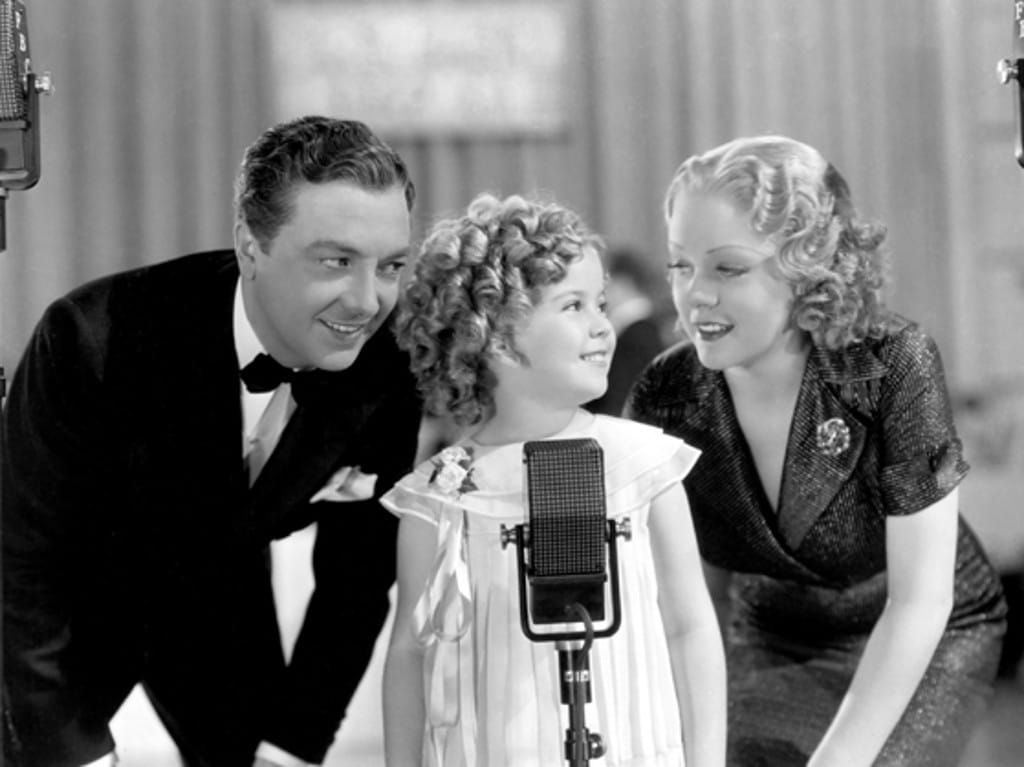
Eventually, the Dolans get their big break — they’re invited to perform on Peck’s Radio Hour, a show sponsored by the rival Peck Soap Company. The show is meant to boost Peck’s business and take customers away from Richard Barry’s soap empire. With Bonnie (Barbara) as the star of the act, the trio becomes a hit, not knowing that Barbara’s own father is the man their success is working against.
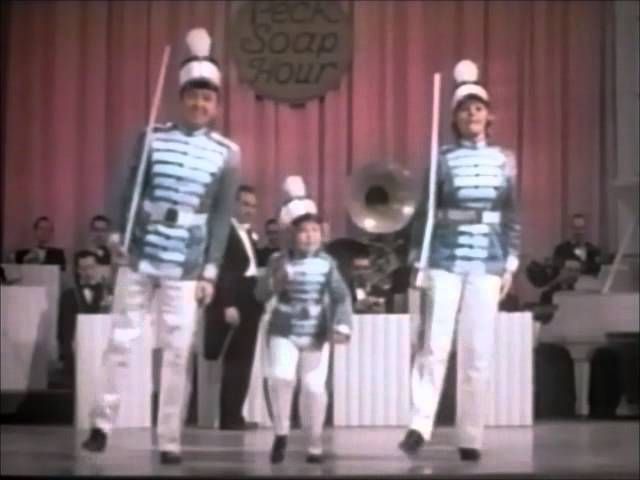
One evening, Richard Barry listens to the show and is shocked to recognize his daughter’s voice. After confirming with the school that she never arrived, he frantically begins searching for her. Once the Dolans learn the truth about “Bonnie’s” identity, they panic, leave her alone in their apartment, and call her father.
But before Richard can arrive, danger strikes a creepy man who had earlier tried to lure Barbara with candy sneaks into the apartment. For a few tense minutes, Barbara is in real danger, but the Dolans, realizing their mistake, return just in time to save her.
With the help of kind-hearted advertising executive Margaret Allen, Barbara is safely reunited with her father. The Dolans are forgiven, and Barbara, Richard, and Margaret who slowly falls in love with Richard enjoy a happy future together. Despite the brief threats and misunderstandings, everything ends with laughter, music, and the promise of brighter days.
Director Irving Cummings was in charge of guiding the entire film, making sure the story, performances, music, and visuals all worked together smoothly. He understood how to bring out Shirley Temple’s charm and natural performance on screen. He also worked closely with the cinematographer, music team, and actors to make scenes entertaining and meaningful. His direction made the film feel both magical for children and touching for adults, especially in scenes between Barbara and her father.
Shirley Temple delivers a charming and heartfelt performance as Barbara Barry, a lonely yet cheerful rich girl. She acts with natural ease sweet, innocent, and full of energy bringing genuine emotion to every scene, whether she’s happy, sad, or curious. Her emotional range is impressive for a child actress: she conveys sadness when separated from her father, warmth when embraced by Tony’s family, and pure joy during her musical moments. Her standout song, “When I’m With You,” beautifully expresses her longing and affection, showcasing both her singing talent and emotional depth. Shirley also adds sparkle through her graceful dancing and delightful comedic timing, especially in scenes where she pretends to be an orphan. Her playful expressions and innocence bring humor and charm to the film. What makes her performance truly special is how naturally she connects with others, including adult co-stars like Alice Faye and Jack Haley, and the on-screen families she finds comfort in. Shirley Temple’s performance not only lights up the screen but also captures the audience’s heart, proving once again why she was beloved as America’s sweetheart.
The songs in the film were written by Mack Gordon and Harry Revel. Some of the songs are: “When I’m with You”, “Oh My Goodness”, “You’ve Gotta Eat Your Spinach, Baby”, “But Definitely”, “Buy a Bar of Barry’s”, “Military Man”, and “Peck’s Theme”. Shirley Temple sang all the songs in the movie. In some of them, other actors sang along with her.

“Every single day becomes a holiday, When I’m with you, I have lots of toys, But I don’t want to play When I’m with you, Every word I hear, Becomes a lullaby, When I’m with you, Every funny spinach tastes like pumpkin pie, When I’m with you,” is a sweet and emotional song sung by Barbara. It expresses the deep love and happiness she feels when she’s with someone she loves and trusts especially her father. The lyrics are simple and full of warmth, perfect for a child’s innocent heart. It shows how being with her father gives her comfort, joy, and a sense of safety.
Although much of the film shows Barbara feeling lonely because her father is too busy, the song reflects what she wishes for to be close to him again. When her father finally hears her sing this song on the radio, it touches his heart. That moment is emotional and helps reunite them. The song becomes a symbol of their bond the love that was always there, even when they were apart.
The New York Times review from June 26, 1936, praised Poor Little Rich Girl as a charming showcase for Shirley Temple. It called her the “mighty moppet” and highlighted her singing, dancing, and stage presence, especially in songs like “When I’m With You.” Temple’s talent and charm made the film enjoyable.
Film was nominated for the American Film Institute’s 2006 list of AFI’s Greatest Movie Musicals. Although it did not make the final list, the nomination itself shows that the film was recognized for its musical charm, especially highlighting Shirley Temple’s iconic performances, catchy songs, and its lasting appeal in the history of American musical cinema.
Photos courtesy Google. Excerpts taken from Google.
 Writer Sunita