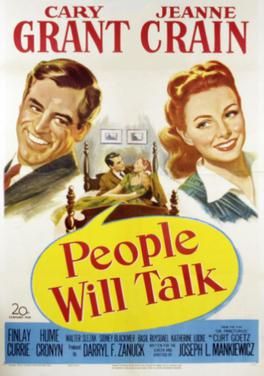
People Will Talk is a 1951 American romantic comedy-drama film written and directed by Joseph L. Mankiewicz and produced by Darryl F. Zanuck. The film is based on the German play by Curt Goetz, which was previously adapted into the 1950 German film Doctor Praetorius. Released by 20th Century-Fox, it stars Cary Grant and Jeanne Crain, with notable supporting roles by Hume Cronyn, Finlay Currie, Walter Slezak, and Sidney Blackmer.
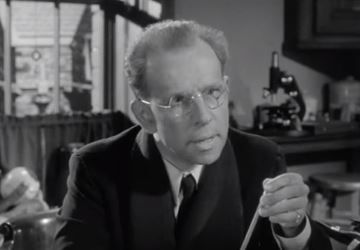
The story opens with Professor Elwell secretly meeting Sarah Pickett, a former housekeeper of Dr. Noah Praetorius. Sarah recalls working for him 15 years ago in Goose Creek and says he healed people with powders, pills—and sometimes just by talking. She calls him a “miracle worker,” mentioning how he helped her grandmother. Elwell shows her a photo, and she confirms it’s Praetorius. But when Elwell asks about Shunderson, Sarah suddenly grows silent and tense.
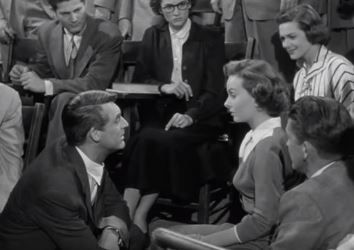
In the Anatomy Lecture Hall, students and faculty—including Dr. Praetorius and Shunderson—wait for Prof. Elwell, who is running late. Praetorius steps in to begin the lecture, uncovering a young woman’s cadaver and explaining the importance of separating the body from the person it once was.
Praetorius decides to give the students at least a brief introduction. He partially uncovers the cadaver—that of a young, attractive woman—and begins a lecture on the importance of emotional detachment. The students, visibly unsettled, listen as he explains the need to view the cadaver not as someone who once had dreams, desires, love, or hate, but as a subject of study.
Amidst this, one student—Debra Higgins (Jeanne Crain)—grows increasingly pale and suddenly faints. Praetorius is among the first to reach her. She regains consciousness quickly, and with his usual light touch, he chats with her, offers her a piece of candy (he has a habit of handing out candy to just about everyone), and gently suggests she see a doctor.
Deborah goes to Dr. Praetorius for her checkup and returns to his private clinic in the evening. He tells her the test results are fine, but casually suggests she see an obstetrician. This surprises Deborah—she realizes she is pregnant.
Praetorius soon finds out that she is not married, and that the baby’s father was a man in the Reserves whom she barely knew and who has now left. Deborah is not ashamed, but very upset. She is afraid of hurting her kind and loving father. She believes the news will break his heart. When Praetorius asks why she came to him, Deborah says it was because he seemed kind. He is not fully convinced, but listens.
Moments later, a gunshot is heard—Deborah has tried to take her life by shooting herself in the heart. But as Dr. Praetorius later says, most people don’t really know where their hearts are. He operates on her and saves her life. With Deborah now resting in the clinic’s ward, Praetorius goes out for the evening—to lead a rehearsal with the student orchestra at the medical college.
After the orchestra rehearsal, Prof. Barker (Walter Slezak) warns Dr. Praetorius to be careful—Professor Elwell is trying to uncover secrets from Praetorius’s past. Although Barker has known him for ten years, he realizes he knows nothing about Praetorius’s earlier life—or about Shunderson, his quiet, loyal companion. Praetorius assures him there’s nothing to worry about, but Barker remains uneasy, sensing trouble ahead.
Later that night, Praetorius visits Debra at the clinic with surprising news: there was a mix-up at the lab. The pregnancy test results were switched—Debra isn’t pregnant after all.
Praetorius expects Debra to feel relieved, but instead she’s horrified—she’s shared personal secrets she didn’t need to. Though he assures her that everything will remain confidential, she’s still deeply upset.
That evening, over dinner, Praetorius tells Barker—without naming Debra—that the lab report was actually correct: she is pregnant. When Barker asks why he lied, Praetorius says simply, “So she could sleep peacefully.”
But the peace doesn’t last. Praetorius soon gets a call from the clinic: Debra has disappeared. Guessing she’s gone to her father, he and Shunderson set out and find her at a farmhouse. There, Praetorius meets Arthur (Sidney Blackmer), Debra’s kind but timid father. Talking to him, Praetorius understands why Debra couldn’t tell him the truth—Arthur is gentle but fragile, a man who has failed at many things and now lives under the shadow of his overbearing brother, the farm’s owner.
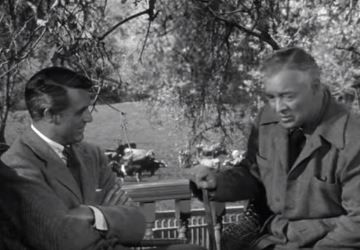
Dr. Praetorius and Shunderson visit Deborah at her uncle’s farm, where she’s staying with her gentle, dependent father, Arthur. To protect Arthur from heartbreak, they conceal the truth about her suicide attempt. As Deborah opens up about her feelings, a tender romance blossoms, leading to marriage. Arthur moves in with the couple, and on Praetorius’s birthday, Deborah lovingly plans a surprise with a cake and a toy train.
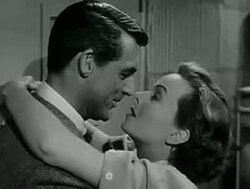
Weeks later, Deborah tells Noah she might be pregnant. He gently reveals that she was already pregnant when they got married. When they argue about the baby’s due date, Deborah fears he married her out of pity. But Noah lovingly assures her that he married her because he truly loves her, not out of sympathy.
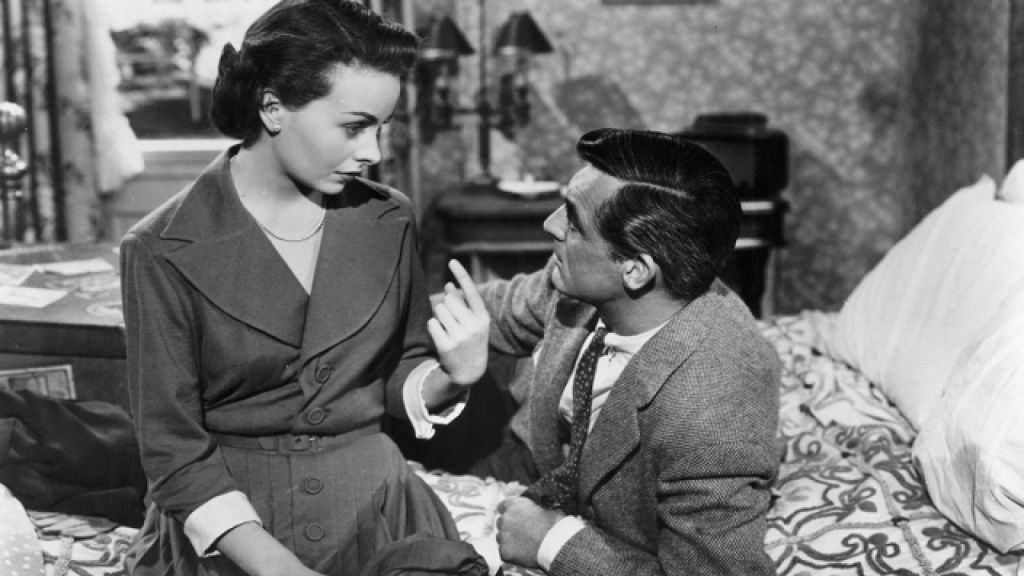
Dr. Elwell learns that Shunderson was once convicted of murder and uses this to launch a formal misconduct hearing against Dr. Praetorius. After a photo unsettles Shunderson, he privately discusses his past with Praetorius. Later, Elwell visits their home and meets Deborah, who quickly realizes his true intentions. When Elwell hands her the official charges against her husband, she delivers them straight to Praetorius.
At the misconduct hearing, Dr. Praetorius explains he once ran a butcher shop as a cover to treat patients in a town that distrusted doctors, insisting he was always a licensed physician. Elwell accuses him of quackery, but lacks solid evidence. When pressed about Shunderson, Praetorius refuses to betray his friend’s trust. Shunderson then testifies, revealing he was wrongly imprisoned for a murder he didn’t commit and later survived a hanging after killing the real attacker in self-defense.
Shunderson recalls regaining consciousness on a table, believed to be dead, just as a young Dr. Praetorius was about to examine him. Realizing he was alive, Praetorius hid the truth to shield him from more suffering or legal trouble. Grateful and deeply loyal, Shunderson has stayed with Praetorius ever since.
Shunderson tells how he awoke on a table, thought to be dead, just as the young Dr. Praetorius was about to examine him. Realizing he was alive, Praetorius chose to keep it secret to spare him more pain and legal trouble. Out of deep gratitude, Shunderson has loyally stayed by his side ever since.
Moved by the account and finding no professional misconduct, the chairman dismisses the case in Praetorius’s favor. Elwell, thoroughly discredited and isolated, leaves in silent defeat.
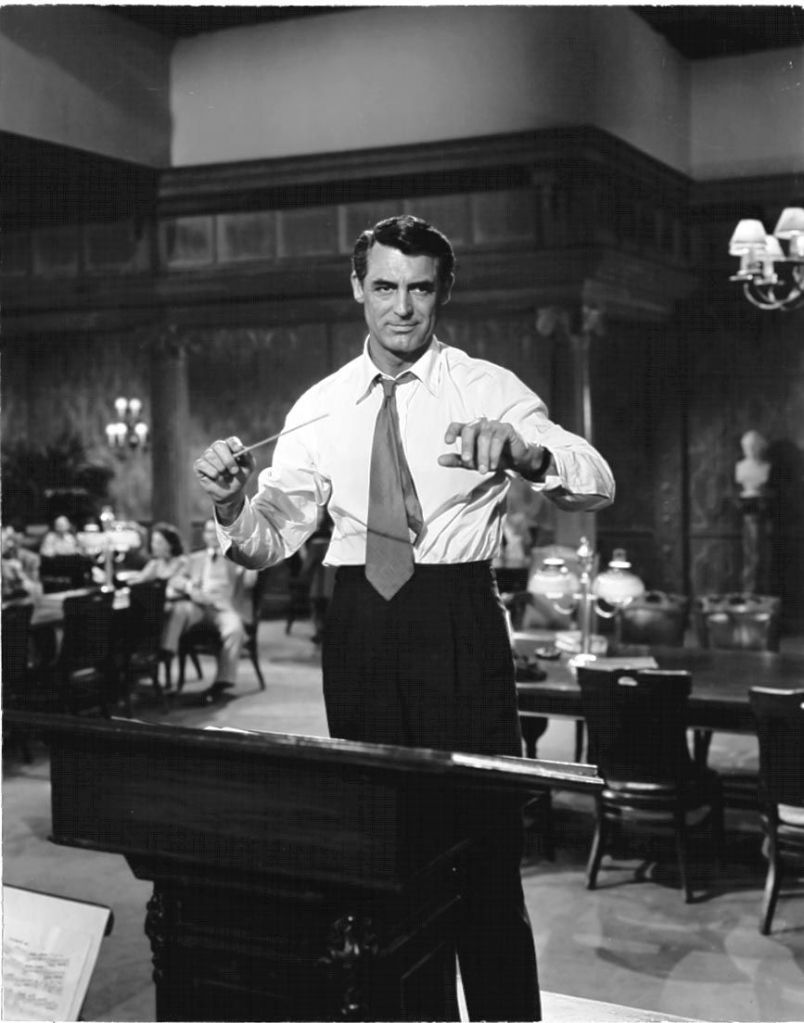
Elwell spitefully schedules the hearing during the student-faculty concert to hurt Praetorius’s reputation. But after being cleared, Praetorius triumphantly conducts the orchestra, joined by his friend Professor Barker. As Deborah, her father, and Shunderson watch proudly, the film ends with the uplifting Brahms overture and the anthem Gaudeamus Igitur, celebrating life and integrity.
Joseph L. Mankiewicz served as both the writer and director of People Will Talk, shaping the film’s unique blend of romantic comedy, drama, and social commentary. Known for his sharp dialogue and intelligent storytelling, Mankiewicz adapted the German play Dr. Praetorius by Curt Goetz into a thoughtful and witty screenplay. His direction brings warmth, sophistication, and a touch of satire to the film, reinforcing its message about compassion in medicine and the human spirit.
Cary Grant stars as Dr. Noah Praetorius, a warm, witty, and unconventional physician who believes in treating patients with both medical skill and genuine compassion. In one of his most thoughtful roles, Grant brings charm, intelligence, and quiet authority to the character—a doctor who not only heals bodies but understands hearts. His performance strikes a fine balance between seriousness and humor, making Praetorius both admirable and deeply likable.
Jeanne Crain delivers a sensitive and nuanced performance as Deborah Higgins, portraying a young woman grappling with an unwed pregnancy in the conservative 1950s with quiet vulnerability and emotional depth. Through restrained expressions and subtle gestures, Crain captures Deborah’s fear, shame, and guilt, particularly in scenes involving her father or her struggle to reveal the truth. As the story progresses, she gradually reveals Deborah’s inner strength and growing trust in Dr. Praetorius. Their understated chemistry adds warmth and credibility to the film’s unique blend of romance, satire, and social commentary. Crain’s naturalistic, emotionally honest acting avoids melodrama, making Deborah a deeply sympathetic and believable character at the heart of the film.
A simple romance between a doctor and a pregnant woman, but it’s far more layered. At its heart, the film is a portrait of Dr. Noah Praetorius—a man of integrity, warmth, and quiet rebellion against moral hypocrisy. He’s both compassionate and principled, gentle yet firm, and Cary Grant brings rare depth to the role in one of his most understated and thoughtful performances.
Music by Alfred Newman (musical direction), the film’s score features two classical pieces—Johannes Brahms’ Academic Festival Overture and Richard Wagner’s Prize Song—both adapted and conducted by Newman.
The film received a nomination for the Writers Guild of America Award for Best Written American Comedy (Joseph L. Mankiewicz).
On August 30, 1951, The New York Times gave People Will Talk a very positive review. The paper compared it to the success of All About Eve and praised its mix of medicine, mystery, and humor. The review said the film takes its ideas seriously, but not too seriously—it still makes room for lots of laughs.
The story is about a charming doctor who believes it’s not enough to just treat illness—he wants to truly make people well. The review noted that this message is delivered with clever writing and wit. It also praised Cary Grant’s performance, saying he seemed to be enjoying himself and gave a fun, lively portrayal of Dr. Praetorius.
Although the review pointed out a small mistake in the script—about atomic energy being used to heal—it still said the film made its points clearly and with humor. Overall, the paper called the film smart, funny, and meaningful.
Photos courtesy Google. Excerpts taken from Google.
 Writer Sunita