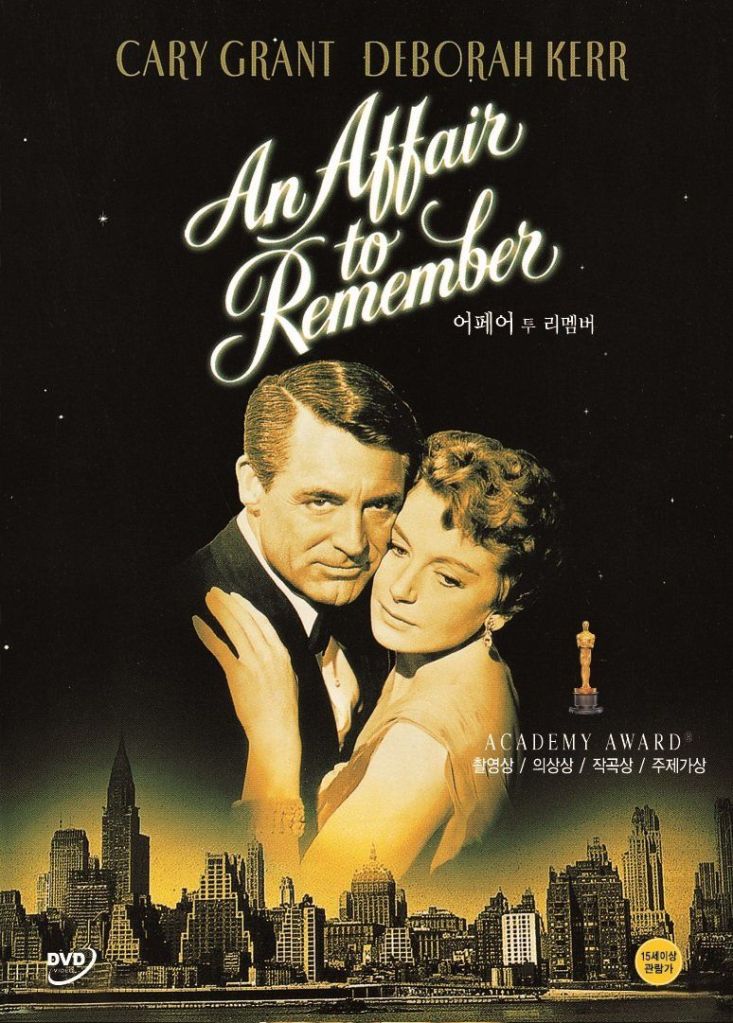
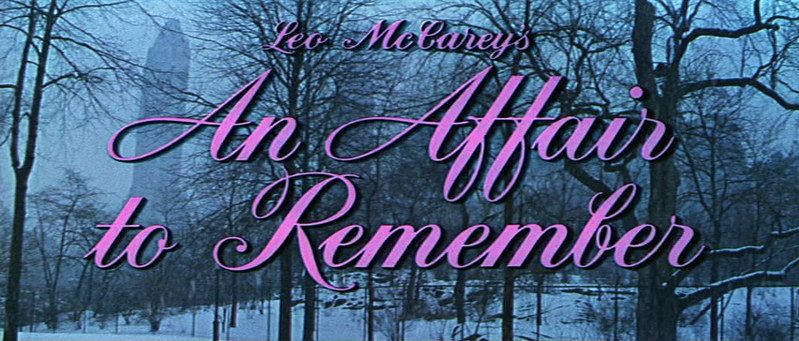
An Affair to Remember (1957) is an American romantic drama directed by Leo McCarey, starring Cary Grant and Deborah Kerr in the lead roles. Filmed in CinemaScope and released by 20th Century Fox, the movie is considered one of the most romantic films according to the American Film Institute. It is a remake of McCarey’s 1939 classic Love Affair, which originally starred Irene Dunne and Charles Boyer in the leading roles.
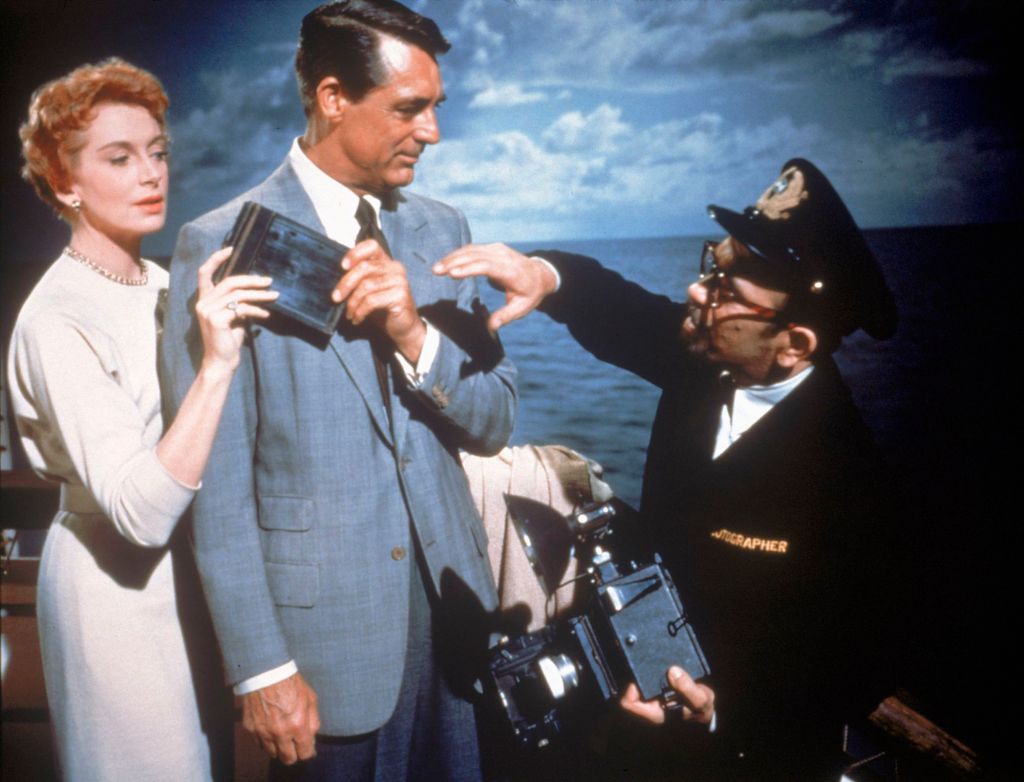
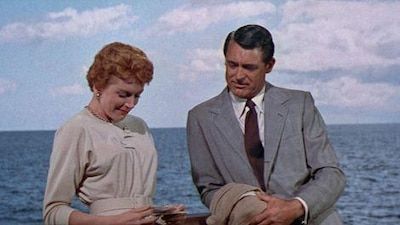
Nickie Ferrante, a handsome and famous playboy, meets Terry McKay, a charming and humorous nightclub singer, aboard the S.S. Constitution, an Atlantic Ocean liner traveling from Europe to New York. Both are already involved in other relationships. However, a series of chance encounters during the voyage weaves threads of friendship between them. As this bond grows stronger, it becomes clear that their feelings for each other go beyond mere companionship and take on a deeper, more profound meaning.
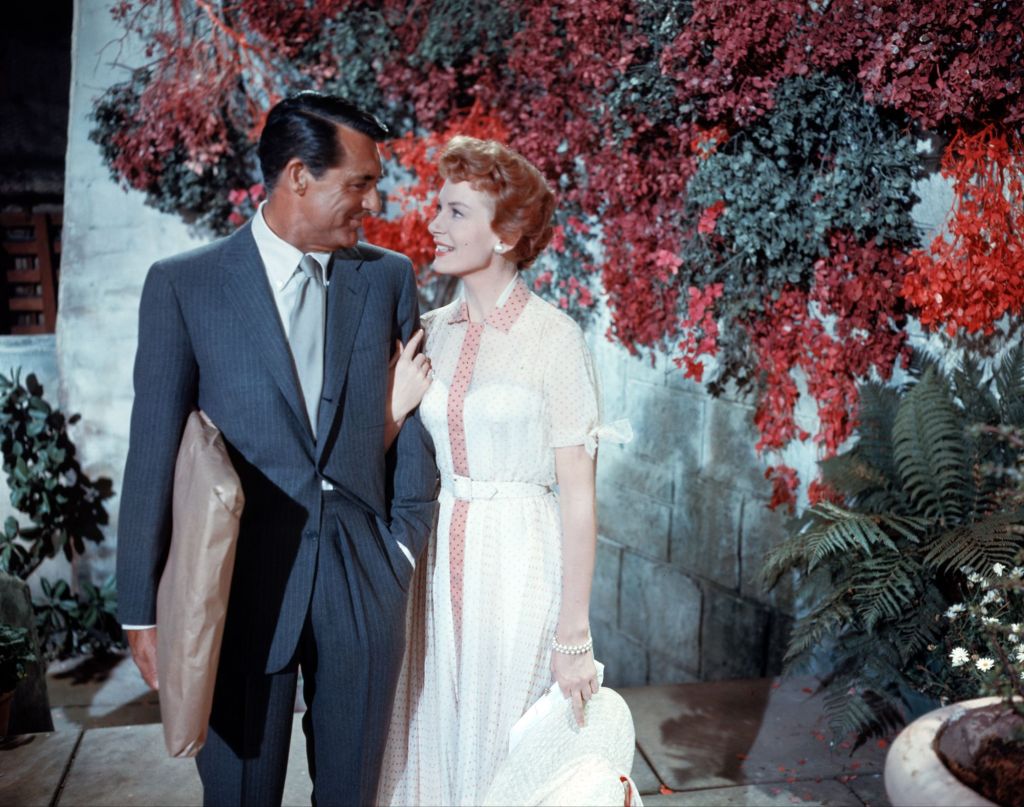
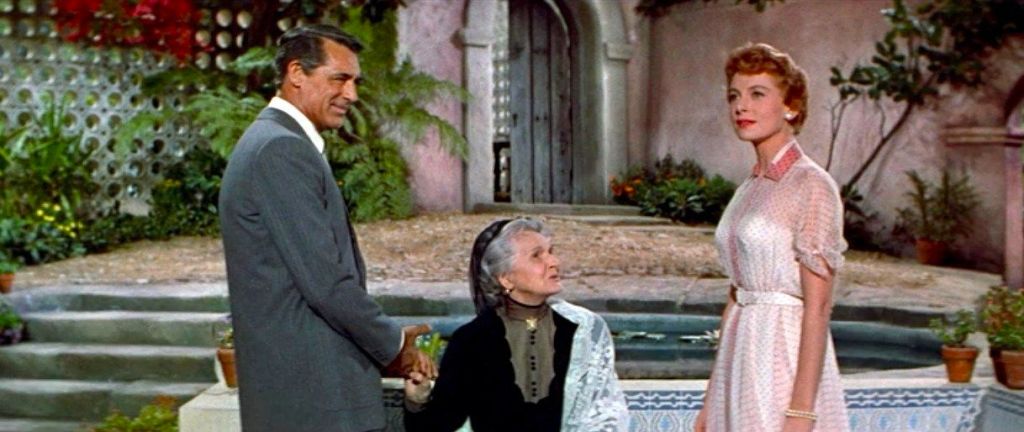
After the ship stops near Villefranche-sur-Mer on the Mediterranean coast, Terry goes with Nickie to meet his beloved grandmother, Janou. In the warm and affectionate atmosphere of Janou’s home, Terry sees a sincere and tender side of Nickie, completely different from his playboy image. During the visit, Janou reveals that Nickie is a gifted painter, but due to his self-criticism, he destroys many of his own artworks. Through this meeting, Terry gains a deeper understanding of Nickie, and the emotional bond between them grows even stronger.
As the S.S. Constitution returns to New York, Nickie and Terry confront the realities of their separate lives. They both decide to take a six-month break, ending their current relationships and pursuing independent careers, in order to test the true strength of their feelings. If successful, they plan to reunite in July at 5 o’clock in the evening on the 102nd floor of the Empire State Building—the magical place in New York closest to heaven—for a new beginning.
After six months Terry tells her friend Ken, “I’m getting married!” She rushes out and gets into a taxi. The taxi heads toward the Empire State Building. She opens the door, closes it, pays the driver, and says, “I’m getting married, and I wanted you to be the first to know. Thank you.” Then Terry runs excitedly toward the Empire State Building. A loud commotion occurs, and people rush around. On the street, she is struck by a car and seriously injured. She is immediately taken to the hospital, unable to contact Nickie.
Nickie stands on the 102nd floor of the Empire State Building, looking out. He is overjoyed. He checks his watch and then looks hopefully toward the elevator. He walks out as the elevator doors open. People exit, and new passengers enter. Nickie stops and watches. The elevator boy asks, “Going down?” Nickie replies, “No.”
Outside, a heavy rain pours, with flashes of lightning illuminating Nickie as he stands by the window, gazing down at the city below. It is now close to midnight. The elevator doors open, and the elevator boy peeks out, asking, “Going down?” Nickie says, “Yes.” Terry does not arrive, and he is finally heartbroken; he assumes that her feelings have changed and that she has rejected him.
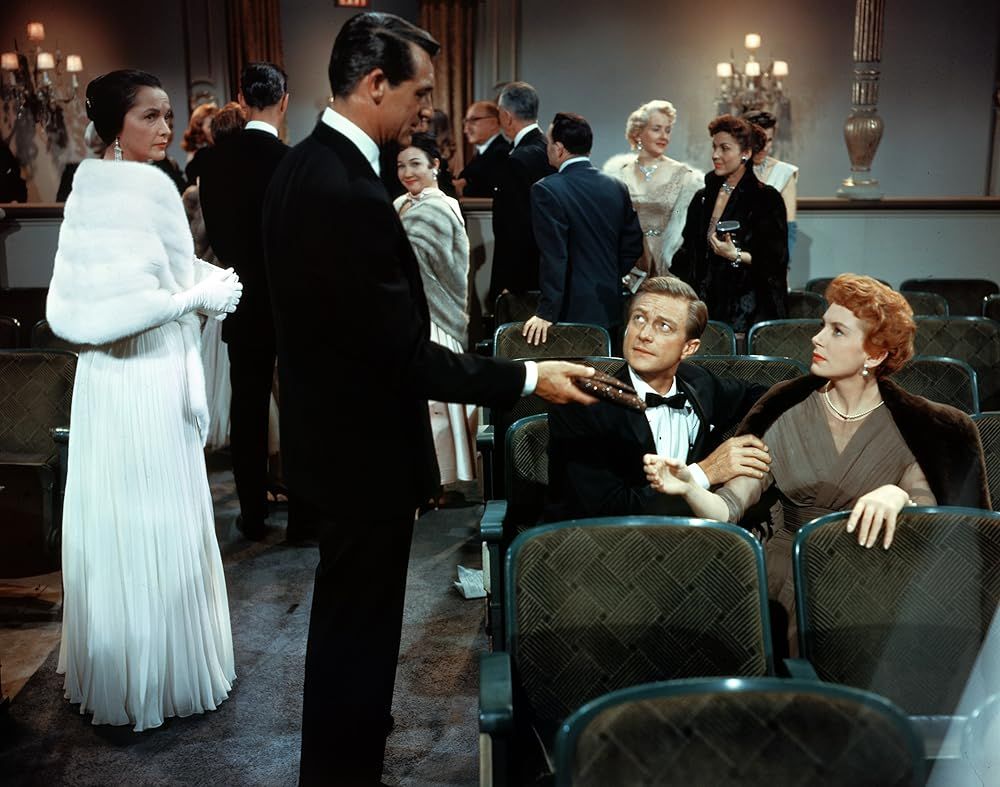
After the accident, Terry is unable to walk and does not contact Nickie, not wanting to burden him with her disability. Determined to remain independent, she begins working as a music teacher and quietly rebuilds her life. Meanwhile, Nickie returns to painting, and his work is now exhibited by Courbet, a supportive gallery owner. Six months later, Terry sees Nickie at a ballet with her former fiancé. He greets her warmly, unaware of her condition, while she remains seated. Their brief meeting is polite but restrained, with inner pain carefully concealed.
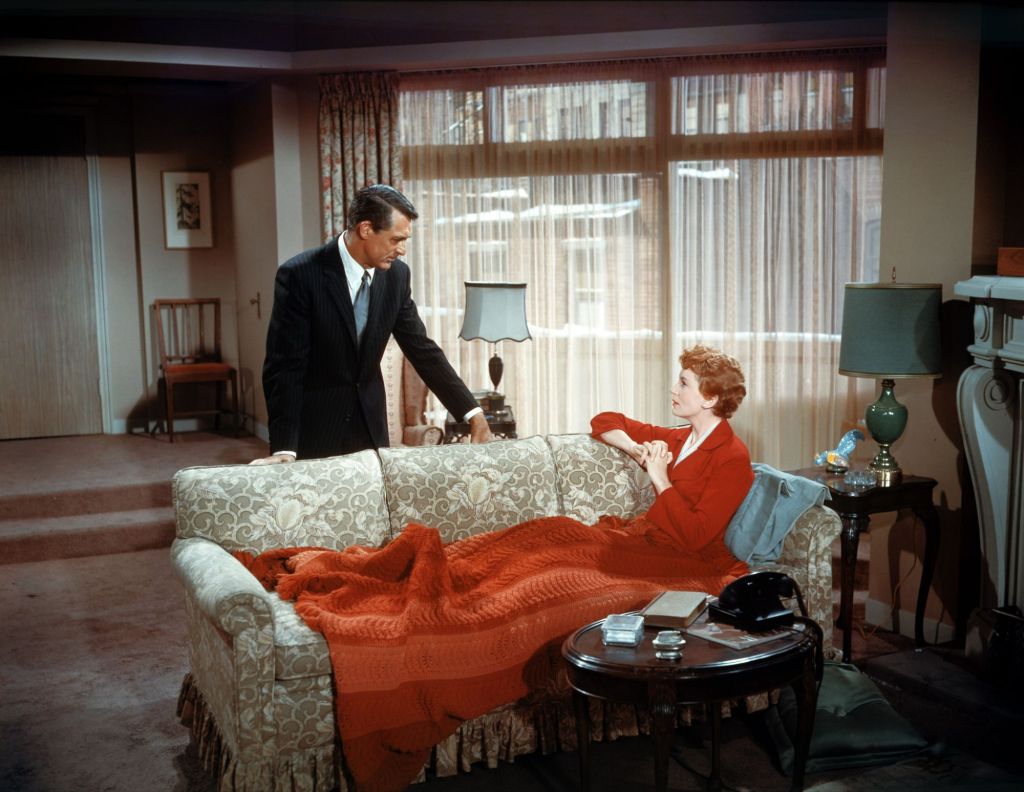
On Christmas Eve, Nickie learns Terry’s address and pays her an unexpected visit. Terry is overjoyed to see him but remains composed, sitting on the sofa with her legs under a blanket throughout their conversation. Still unaware of the accident that changed her life, Nickie assumes that she had simply refused to meet him at the top of the Empire State Building a year earlier. Hurt and disappointed, he recounts that day, reliving the pain of the wasted wait. He draws her into the memory so convincingly that it feels as if she had been there. To protect her pride and his heart, she is compelled to lie.
Throughout the visit, Terry listens quietly. Her love for him remains undiminished, but her pride and fear of pity prevent her from telling the truth. As a Christmas gift, Nickie gives her a shawl, a personal keepsake of his late grandmother Janou, who once witnessed the depth of their relationship. For a brief moment, shared memories and emotions bring a gentle warmth to the atmosphere. Yet, the true reason for their year-long separation remains undisclosed, and only as he prepares to leave does the quietly unfolding truth gradually come to light.
As Nickie prepares to leave, he casually mentions a painting he had been working on when they first met—a woman sitting on a hillside, his finest work, now hanging in the gallery. He adds that it was recently shown to a woman who was deeply moved by it but could not purchase it. Midway through his conversation, something shifts. His voice falters. The pieces begin to fall into place: the description of the woman given by his friend… who never came to the Empire State Building… and now the woman sitting before him, still on the sofa since his arrival. She has not risen to bid him farewell. Sitting there, she takes his hand in hers and says goodbye.
Just as Nickie is about to mention that the woman who received the painting was actually in a wheelchair, he stops. His voice fades. A shadow crosses his face as the truth slowly dawns on him. He turns to Terry and, for the first time, looks at her clearly and fully. She is the very woman he thought had left him… the one who had never stood to meet him… who had quietly remained on the sofa all evening.
Something stirs within him. He slowly walks to the bedroom, and there it is—his painting, hanging on her wall.
The entire sequence—his initial composure, stubbornness, the shocking revelation at the doorway, the stunned pause as he sees the painting, and the eyes closing in quiet anguish—is a masterclass in Cary Grant’s acting. Truly remarkable.
The moment he beholds the painting. The pause. The stillness. Now the weight of understanding settles upon him. He does not merely recognize her physical suffering—he senses the depth of her love, pride, and selflessness, all quietly borne alone. And his restraint, his refusal to break down, only intensifies the heartbreaking intensity of the moment.
This is one of the most profoundly moving scenes in An Affair to Remember, defined by restraint, emotional depth, and a delicacy that highlights great acting. Here, you grasp not just what happens, but how it happens. Cary Grant’s performance in this moment is the pinnacle of controlled acting. He isn’t performing for the audience; he is living the moment. His awareness unfolds not through dialogue or melodrama, but through subtle shifts—a fleeting shadow in his eyes, a suspended breath, a movement of the body toward a truth he is not yet ready to fully accept. And then, in one quiet instant, everything becomes clear, marked by a single, unforgettable exhale.
In that moment, the truth is fully revealed. All the pain, pride, and quiet endurance dissolve. Overwhelmed, Nickie stands close to her, and the emotional barriers between them finally fall. Their love, restrained by fate and wounded pride, surges forth once again. In that single instant, everything is heartbreakingly and beautifully clear.
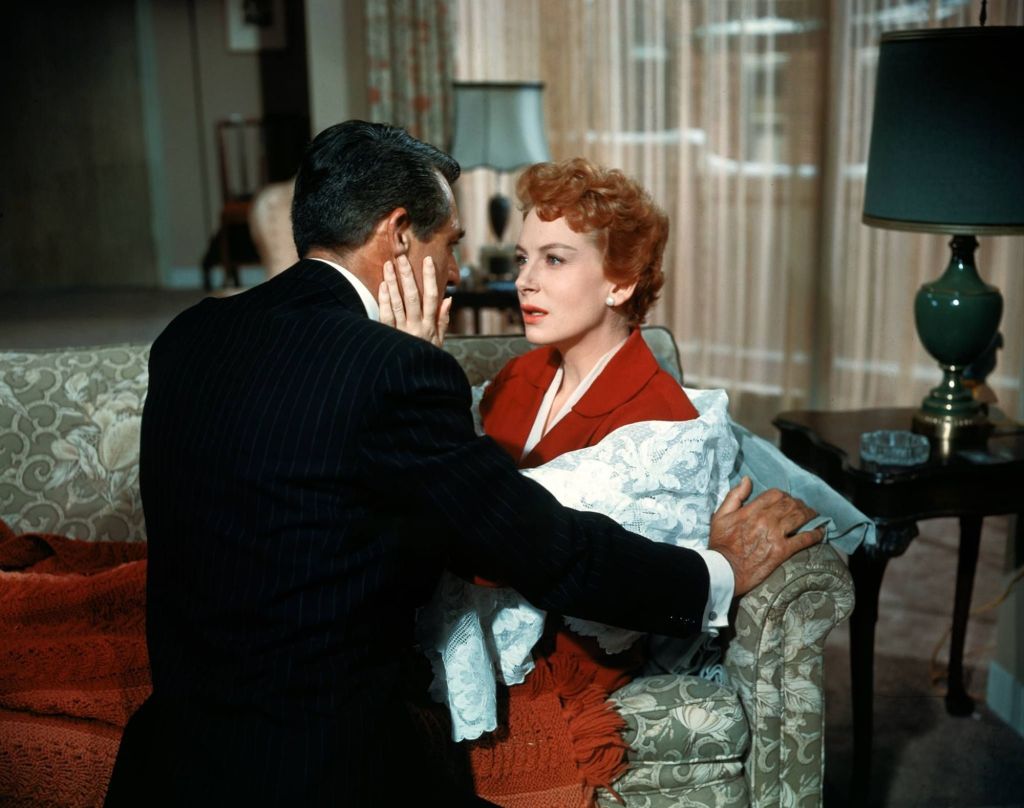
The music plays, yet it is Grant’s quiet, aching emotions that truly touch the heart. His eyes closing in pain are not for us—they are for him—and that is why they move us so deeply. It is a rare moment, one that feels both lucky to witness and heartbreakingly profound.
He looks at her—open, vulnerable, concerned, loving, and confused. He fully perceives her fragility, her pain, and her selflessness. Through her eyes, he understands every step, and she realizes that he now knows everything. Slowly, he moves closer; his face altered by understanding, yet filled with love. They gaze at each other with no anger, no tension—only poignant tenderness and profound love.
The music plays softly, yet their emotions have already touched the heart. A quiet breath, a fleeting glance—and in that moment, all the bonds of their hearts are reconnected. Love, longing, pain, and the delicacy of the soul are experienced all at once.
Seeing regret in Nickie’s eyes, Terry’s voice trembles, and with tear-filled eyes she softly says, “Oh darling, don’t look at me like that.” It is a gentle, heartbreaking plea. Then, in a voice laden with pain and love, he asks, “Why? Why didn’t you tell me? If anything was ever going to happen to either of us… why did it have to happen to you?”
This scene is considered the emotional heart of the film, and the breakdown does it full justice. There is no grand gesture to move us—it is the raw, authentic emotion that captivates. In those few minutes, Cary Grant conveys love, pride, pain, and the joy of reunion with exquisite beauty.
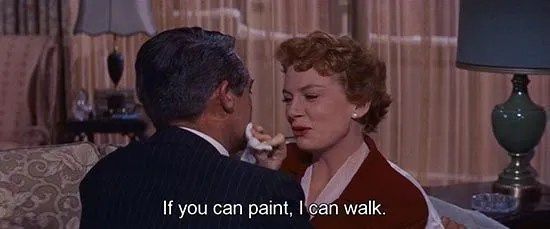
As the film concludes, they are embraced in a heartfelt hug. Terry says, “You wasn’t nobody’s fault but my own. I was looking up who was the nearest thing to heven, you were there. Oh darling don’t worry darling, If you can paint, I can walk. Anything can happen, don’t you thing?”
These final moments offer a quiet yet powerful affirmation—not just of their love, but of healing, faith, and the small miracles born from trust in one another. The simple lines remind us that hope can endure even in the depths of sorrow. This ending lingers long in memory, a fusion of longing, redemption, and emotional beauty, making An Affair to Remember an immortal love story.
Leo McCarey’s direction in An Affair to Remember gives the film emotional depth, visual elegance, and romantic allure. His strength lies in blending sentiment and spirituality; by revisiting his 1939 film Love Affair, he crafted a story of love and quiet sacrifice with greater emotional subtlety. The restrained pacing, introspective shot compositions, and delicate use of music allow the romance between Cary Grant and Deborah Kerr to unfold naturally. Their nuanced, assured performances keep the film profoundly moving.
Cary Grant portrays Nickie Ferrante, a charming playboy known for his romantic escapades and perpetually joyful lifestyle. As always, Grant embodies refinement—graceful, witty, and alluring—but here he also reveals a deeper, more vulnerable side. When Nickie falls in love with Terry, Grant gradually turns toward genuine emotional engagement. His scenes with his grandmother Janou and his final confrontation with Terry showcase his talent for balancing restraint with profound emotional depth. He does not overplay his feelings; his measured approach amplifies the poignancy. This is classic Grant—using charm not merely to attract, but to truly win hearts.
Nickie’s light grayish-blue, summer-weight worsted suit is a disciplined and fitting choice for both key moments—his meeting with Terry on the Mediterranean and later at the Empire State Building in summer. Its notched lapels, three-button front, patch pockets, and subtle tailoring give the suit understated elegance and mature comfort. Grant’s wardrobe choice not only suits the weather but also mirrors Nickie’s emotional journey—from a suave, lighthearted playboy to a deeply sincere and authentic man.
Deborah Kerr plays Terry McKay, an intelligent and spirited nightclub singer whose charm is paired with simplicity. Kerr brings to Terry a quiet elegance, warmth, and dry wit, leaving her own mark even alongside Grant’s charisma—grounded as a woman, compassionate, and emotionally complex. Her performance particularly shines in the film’s second half, when she bears the weight of Terry’s pain and pride after the accident. Her decision to hide the truth from Nickie is rendered with heartbreaking beauty. We experience her struggle not just physically, but emotionally—through love, loss, and pride.
Terry says, “For those without warm memories, winter is cold. We have already lost the spring.” Without the comfort of cherished memories, the hope for new beginnings (spring) can unknowingly be lost, leaving behind only a cold, empty space.
The dialogue between Grant and Kerr is gentle yet energizing. Their playful banter and humor aboard the ship feel effortless and natural. As their feelings deepen, so does their emotional connection. They are not just lovers but two individuals who respect and truly see one another. Their bond arises not merely from attraction, but from shared understanding and mutual growth—this is what makes the film genuinely romantic.
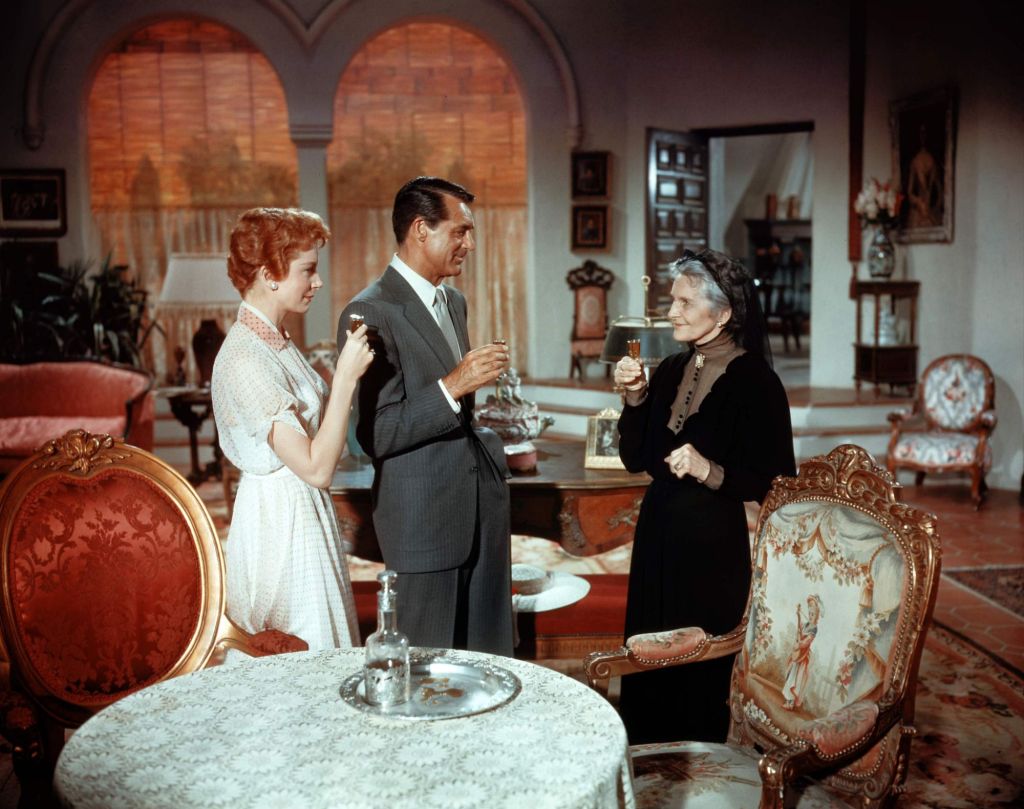
In An Affair to Remember, Katharine Nesbitt portrays Janou, a role that, though brief, is deeply moving and adds quiet strength and emotional depth to the story. As Nickie’s wise and compassionate grandmother, she brings grace, warmth, and old-world charm, serving both as a moral guide and an emotional anchor. Her scenes—particularly the one at the piano with Terry—reveal her profound understanding and empathy, as she gently encourages Nickie and Terry toward love and personal growth. Nesbitt’s subtle expressions and calm presence convey volumes, and Janou’s influence lingers long after her passing, especially through the shawl that Nickie later gives. Without any melodrama, she imbues the film with its emotional soul and authenticity.
The film’s theme song, “An Affair to Remember (Our Love Affair),” was composed by Harry Warren, with lyrics by Harold Adamson and Leo McCarey. It is first performed during the opening credits by Vic Damone and later by Marni Nixon, who dubbed Deborah Kerr’s singing voice. Nixon also performed several other songs in the film, including “Continue,” “The Tiny Scout (He Knows You Inside Out),” “Tomorrowland,” and “You Make It Easy to Be True.” The music amplifies the film’s emotional tone, highlighting its themes of love, longing, and hope.
An Affair to Remember received multiple awards and nominations. At the Academy Awards, it earned four nominations:
- Best Cinematography – Milton Krasner
- Best Costume Design – Charles LeMaire
- Best Scoring of a Dramatic or Comedy Picture – Hugo Friedhofer
- Best Original Song – “An Affair to Remember” (Harry Warren, Leo McCarey, and Harold Adamson)
Director Leo McCarey was honored with Boxoffice Magazine’s “Best Picture of the Month” award (August) and also received a nomination from the Directors Guild of America for “Outstanding Directorial Achievement.” Hugo Friedhofer was ranked fifth as Top Music Composer in the Laurel Awards, and the film won the Photoplay Gold Medal Award for its popularity and impact.
Photo courtesy Google. Excerpts taken from Google.
 Writer Sunita