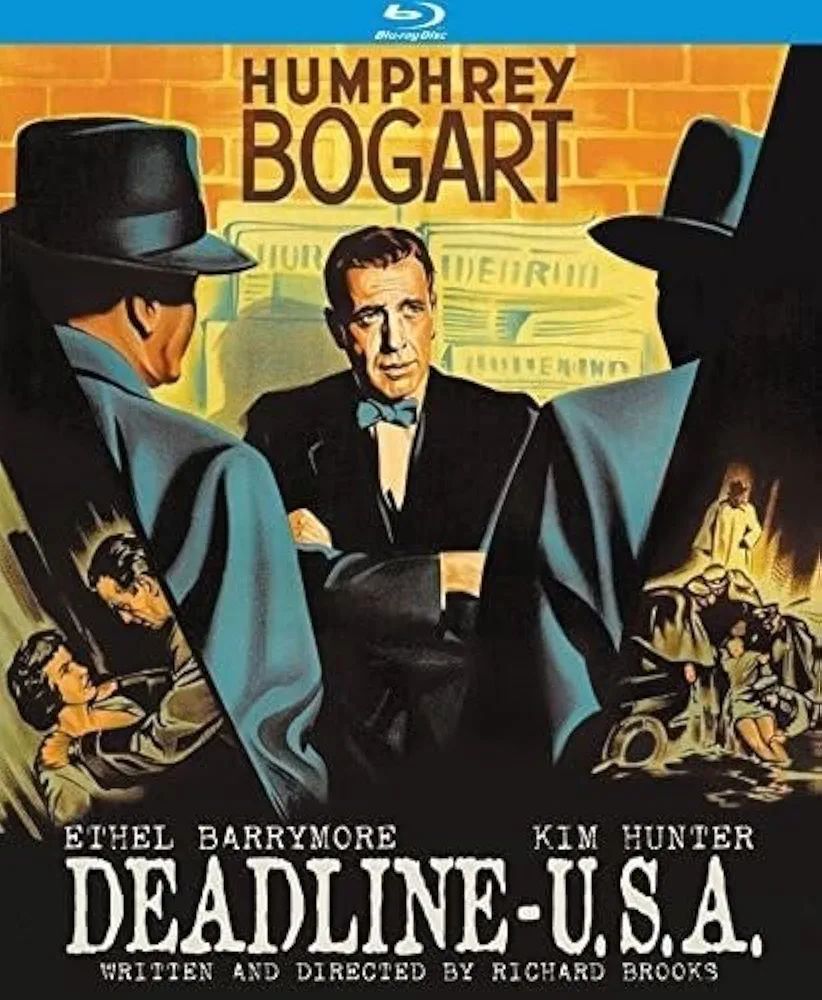
Deadline – U.S.A. (1952) is an American film noir crime movie starring Humphrey Bogart, Ethel Barrymore, and Kim Hunter. It was written and directed by Richard Brooks.
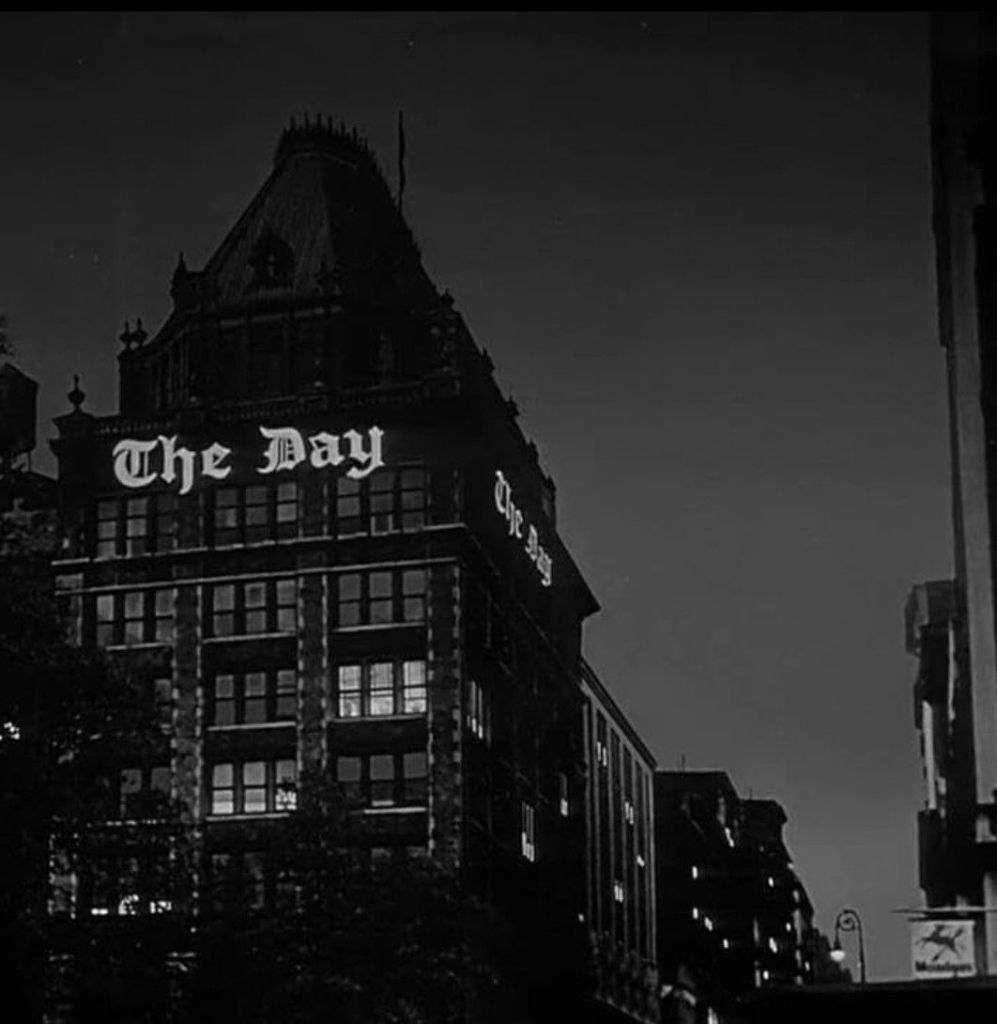
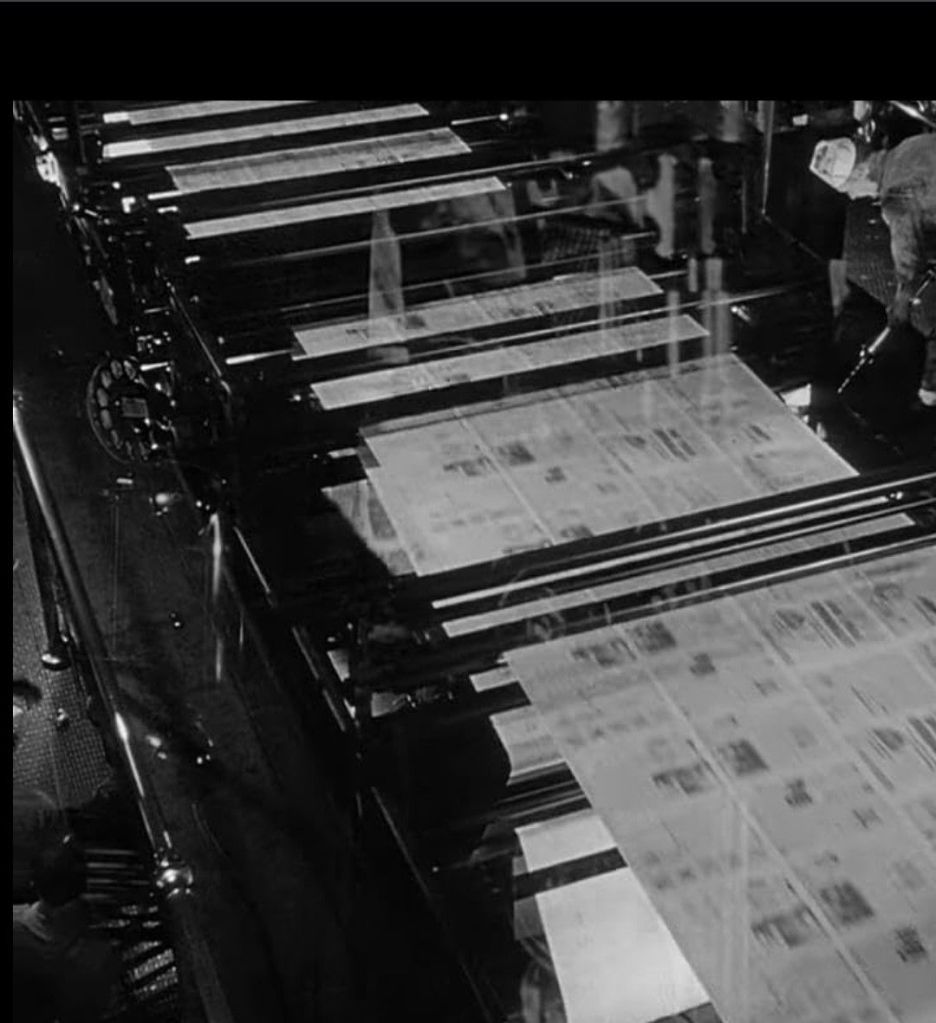
This film tells the story of Ed Hutcheson, a tough and brave newspaper editor who struggles to keep his paper from being sold while exposing gangster Rienzi’s crimes, all while trying to win back his ex-wife.
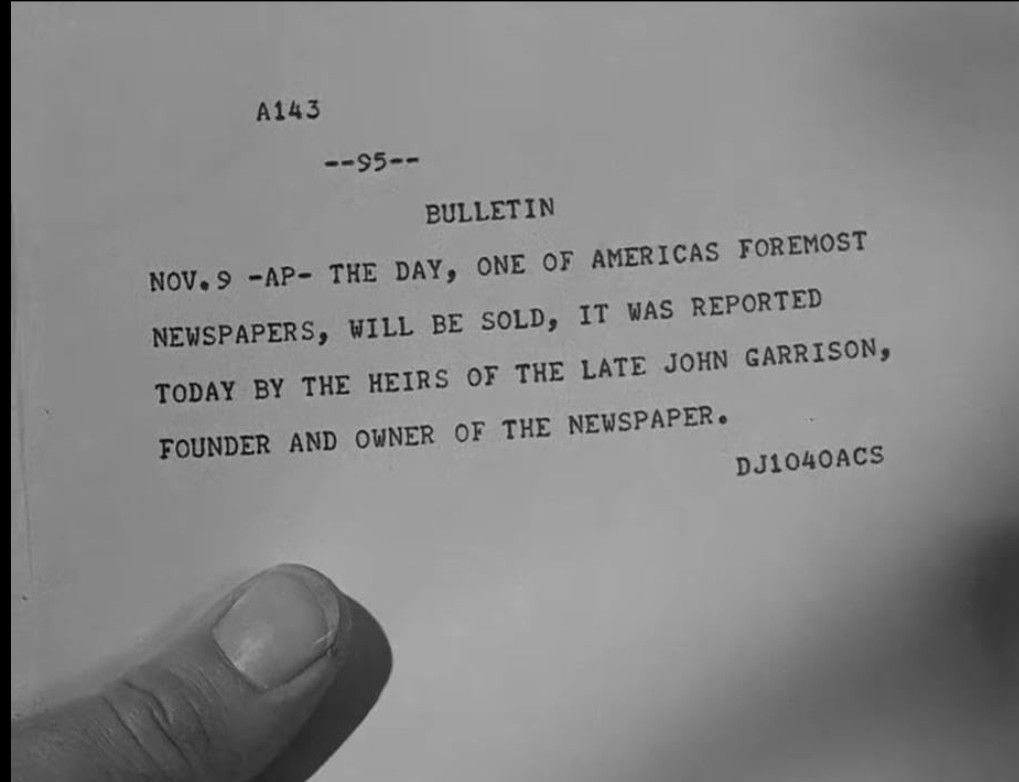
Ed Hutcheson is the managing editor of a big city newspaper called The Day. He is very loyal to Margaret Garrison, the widow of the man who started the paper. But Mrs. Garrison is planning to sell the newspaper to people who will shut it down forever.
Hutcheson also has personal problems, because his ex-wife, Nora, is going to marry another man. At the same time, he tells his reporters to look into the murder of a young woman who may be connected to gangster Tomas Rienzi. This murder story could bring in more readers and save the newspaper or it could be the last big story before the paper closes.
The reporters discover that the murdered woman, Bessie Schmidt, was the girlfriend of gangster Tomas Rienzi. They also learn that her brother, Herman, had done dishonest business with Rienzi. Ed gives Herman a chance to safely tell the truth, but Rienzi’s men, pretending to be police, kidnap him. This causes Herman’s death.
Things get worse when Mrs. Garrison’s daughters, Kitty and Alice, who own most of the shares in the paper, refuse to change their minds. Because of this, a judge decides that The Day will be sold.
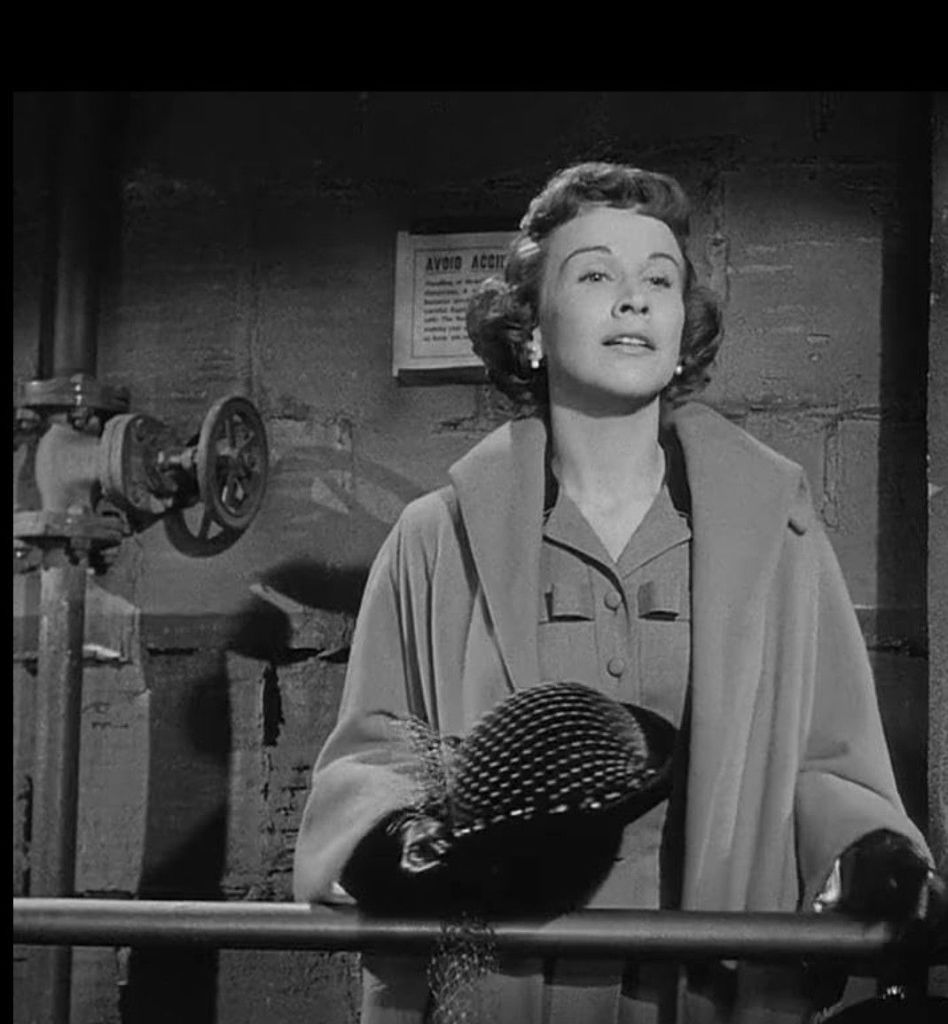
Just then, Bessie’s old mother, Mrs. Schmidt, comes to Hutcheson’s office. She brings her daughter’s diary and $200,000 in cash. Both are proof of Rienzi’s crimes. Ignoring the gangster’s threats, Hutcheson tells the printing presses to start, and the newspaper goes out.
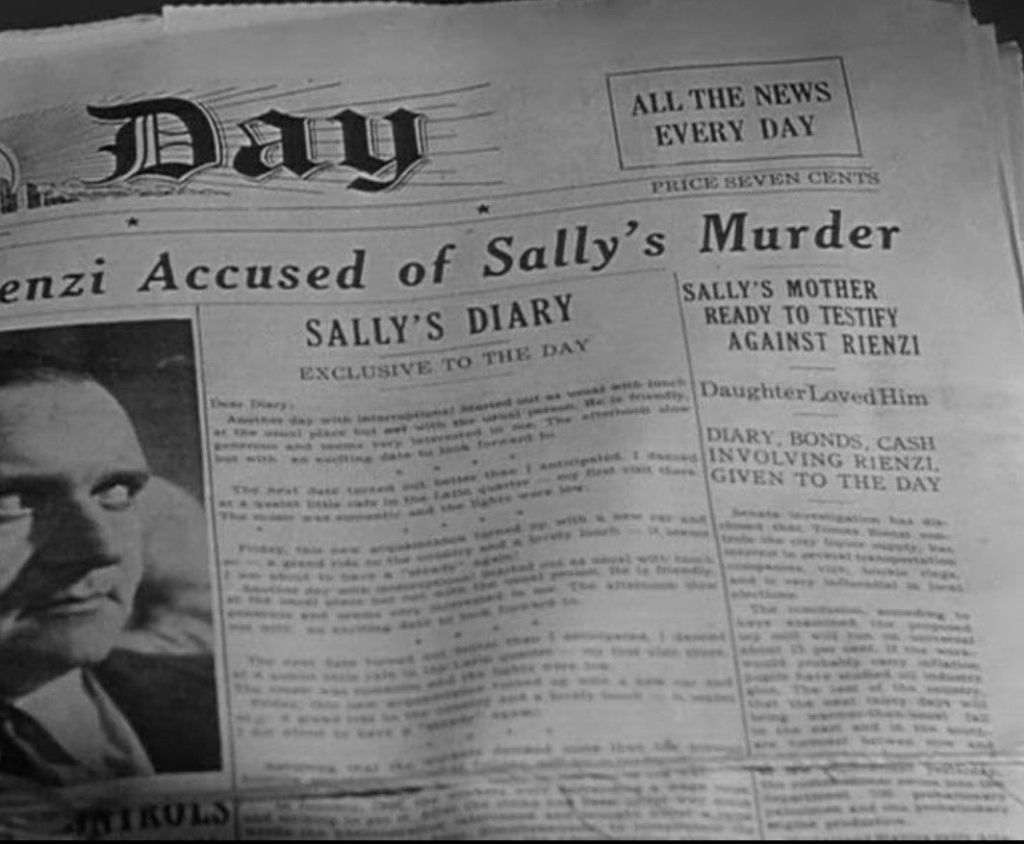
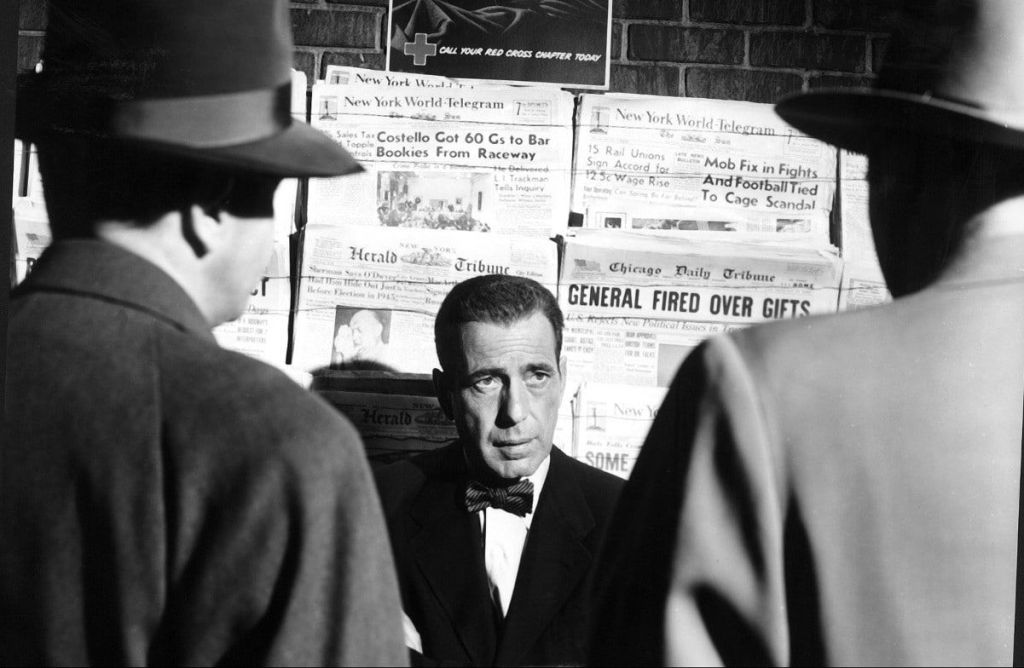
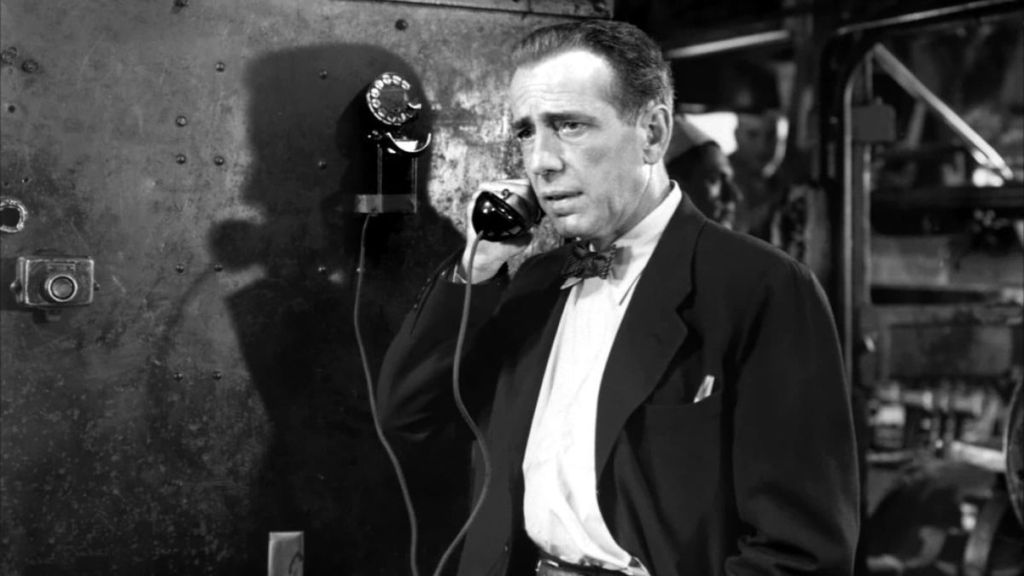
When Rienzi finds out that The Day is printing the story, he calls Hutcheson and angrily threatens him. But Hutcheson does not give in. He calmly says that the truth will be on the front page for everyone to read.
The printing presses start running, filling the newsroom with noise and energy. The reporters and staff watch as the newspaper is printed. They know they have fought for justice, even if this might be the very last edition.
The film ends with Hutcheson’s unwavering courage proving that a free press can stand as a powerful force against corruption, even when challenged by ruthless gangsters.
In Deadline U.S.A., writer-director Richard Brooks shows the busy life of a newspaper office with sharp detail and a strong atmosphere. The film looks back with nostalgia at a way of working that was already fading, while also warning about the danger to press freedom. Released during the Hollywood Blacklist, it works both as a crime story and as a defense of honest journalism against corruption and abuse of power.
Because Brooks had once been a journalist himself, he makes the film feel real, showing the energy and pressure of newsroom life. The story moves quickly and holds attention, and while the ending may seem sudden, it is powerful leaving viewers to think about whether it is hopeful.
Milton R. Krasner’s, black-and-white photography lends the film a gritty, documentary-like realism that perfectly suits its subject. The newsroom is illuminated with sharp contrasts, where shadows and overhead lights highlight the constant pressure and exhausting pace of the journalists’ work. In contrast, the scenes involving mobster Rienzi (Martin Gabel) are cloaked in darker lighting, creating a sense of menace and danger, while the brighter newsroom sequences convey urgency and relentless activity, reflecting the restless energy of a paper racing to meet its deadline.
William B. Murphy’s editing is sharp and fast-paced, perfectly matching the tempo of a newspaper rushing toward a closing edition. Through quick cuts between reporters, typesetters, and the pounding printing presses, Murphy builds a sense of momentum and inevitability, as if the story itself is racing against time. He ensures that the film never lingers unnecessarily, there’s little fat in the structure and the rhythm mirrors the relentless “deadline race” of journalism, keeping the audience engaged and on edge.
Cyril J. Mockridge’s music remains restrained, subtly underlining the tension in the mob-related scenes but mostly staying in the background. Instead of dominating, the score gives way to the natural sounds of the newsroom the clatter of typewriters, the rumble of presses, and the constant buzz of telephones and chatter. This choice makes the “music of journalism” feel more important than orchestral accompaniment, a conscious decision that preserves the film’s sense of realism.
Humphrey Bogart delivers one of his finest performances as Ed Hutcheson, the hard-driving managing editor of The Day. Deadline U.S.A. tells the story of a big-city newspaper on the brink of being sold by its owners. At its heart is Bogart’s Hutcheson fiery, relentless, and uncompromising who fights not only for his staff and the survival of the paper, but also for the very principle of a free press.
As the tough editor of The Day, Hutcheson feels a deep duty to his job, his staff of 1,500 workers, and the paper’s 280,000 daily readers. His fight intensifies when mobsters, led by Martin Gabel’s character, attack one of his reporters. At the same time, the heirs of the paper’s founder plan to sell The Day to a rival that will shut it down, threatening mass layoffs.
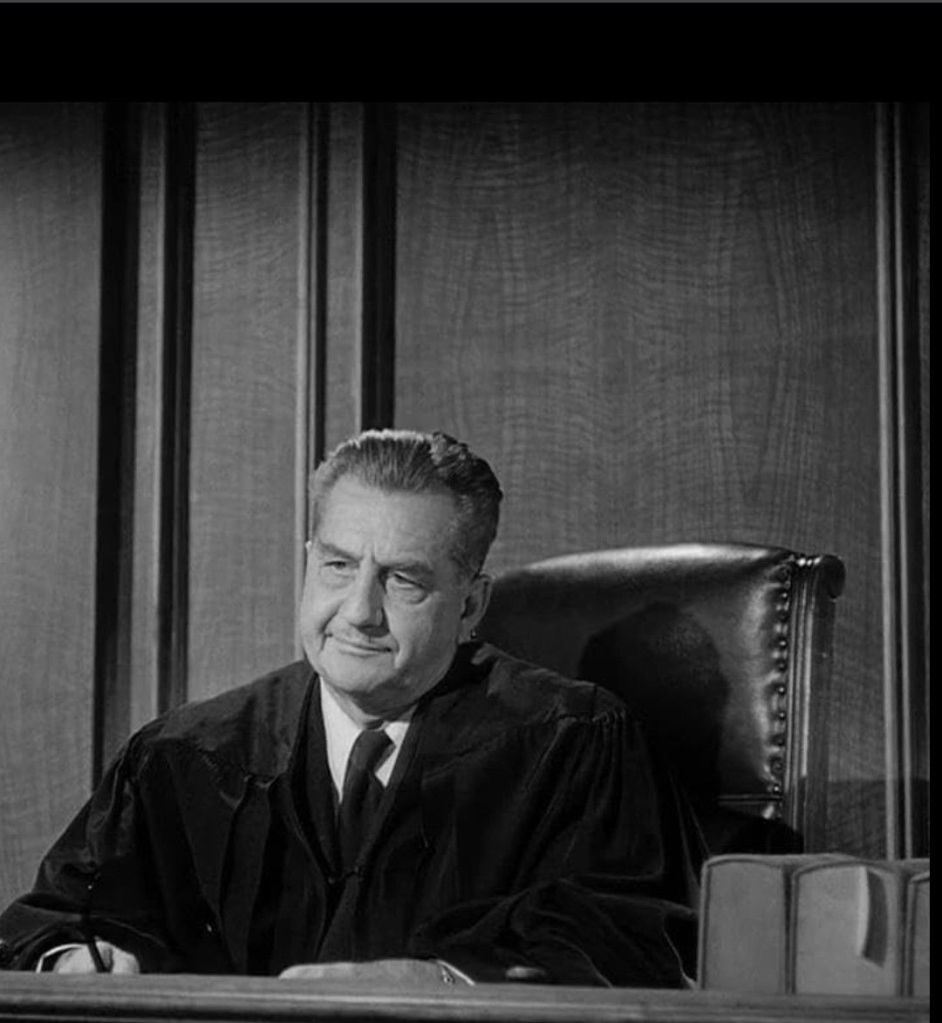
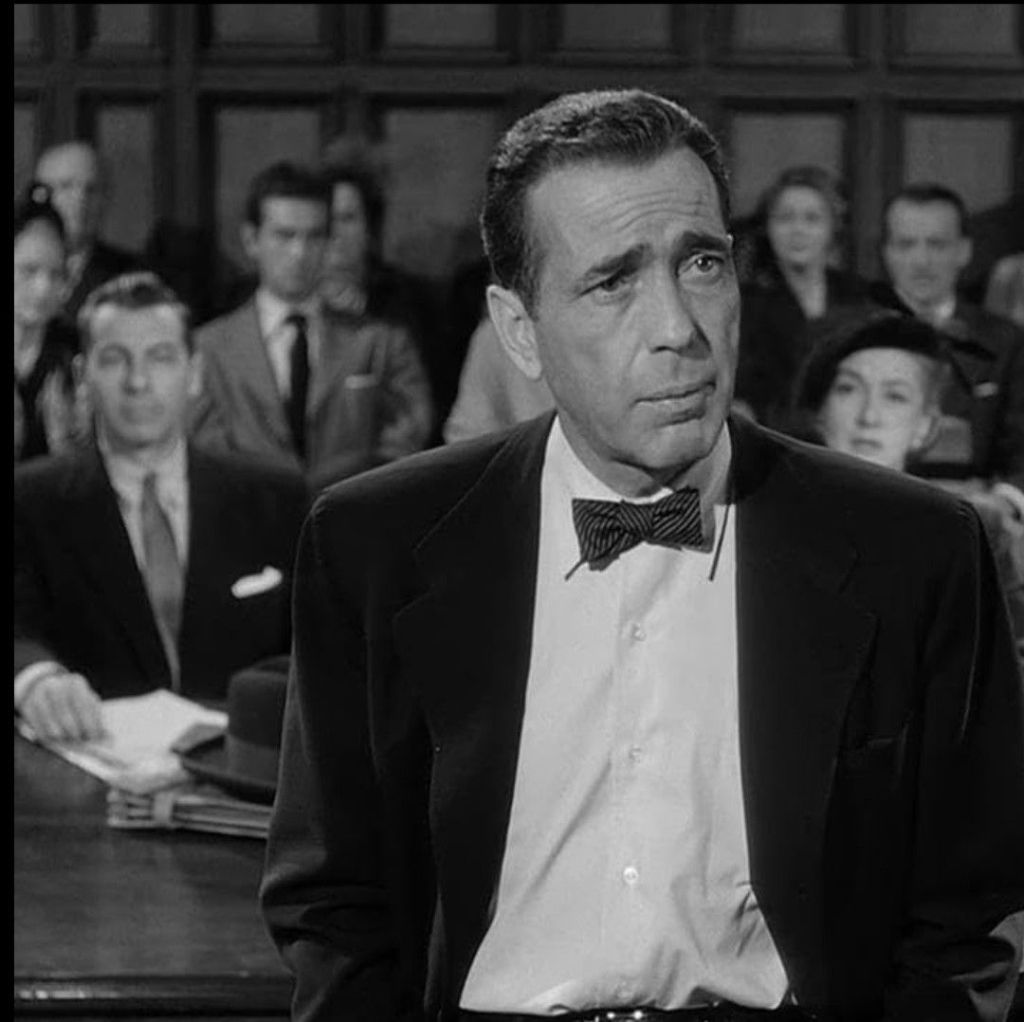
In court, Hutcheson passionately argues that a newspaper is not merely a piece of property but a vital public service, essential to democracy itself. Torn between the looming closure of The Day and his personal struggle to win back his estranged wife, Nora, he nevertheless summons the courage to confront the mob and fight for the truth.
Deadline U.S.A. is a must-watch for Humphrey Bogart fans. The smart dialogue and strong performances make it easy to recommend. One early Bogart line shows the film’s humor well: when told the paper might be sold, he jokes, “The heirs and the lawyers are up in the dome right now, ready to explain their crime with facts, figures, and falsehoods… One more ‘f’ and they won’t be drafted.”
The film also vividly captures the authentic atmosphere of a bustling newsroom, from the weary precision of aging copyreaders to the reporters’ wary skepticism toward the police. Strong supporting performances come from Ethel Barrymore, Ed Begley, Jim Backus, Paul Stewart, and Martin Gabel—Barrymore lending quiet authority as the paper’s owner, and Gabel projecting menace as a sinister mobster.
Deadline U.S.A. is a brisk crime drama and tribute to journalism, with Humphrey Bogart in one of his last great roles as a tough newspaper editor. Despite touches of melodrama, its sharp dialogue, strong cast, and fiery defense of a free press make it one of the finest newspaper films ever made.
Photo courtesy Google. Excerpts taken from Google.
 Writer Sunita