
Woman of Straw is a British crime thriller film released in 1964. It was directed by Basil Dearden. The movie was written by Robert Muller and Stanley Mann, and it is based on the 1954 novel La Femme de paille by Catherine Arley.
The story revolves around a complex mix of wealth, murder, and deception. The director subtly explores human greed, manipulation, and psychological conflict throughout the film.
The title “Woman of Straw” is symbolic—“straw” refers to something that may appear substantial on the surface but is actually fragile and easily broken. In the film, this metaphor is used for the female protagonist, whom others see as weak, easily manipulated, and merely a tool. However, as the story progresses, it becomes clear that she is not as helpless as she seems. Thus, the title reflects not only her situation but also the misconceptions people have about her.
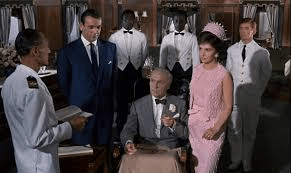
The plot centers on a wealthy but ill-tempered and sick industrialist, for whom a young woman is hired as a nurse and caretaker. His nephew, driven by greed for inheritance, manipulates her into becoming part of a dangerous scheme involving murder and deceit. Initially, she is drawn into the plan due to circumstances, but as the story unfolds, her emotions, morality, and decisions begin to change, leading to unexpected twists.
The film is a gripping crime drama and suspense thriller that effectively portrays greed, betrayal, and the complexity of human nature. Its strength lies in the psychological tension, nuanced performances, and a gradually unfolding narrative that keeps the audience engaged till the end.
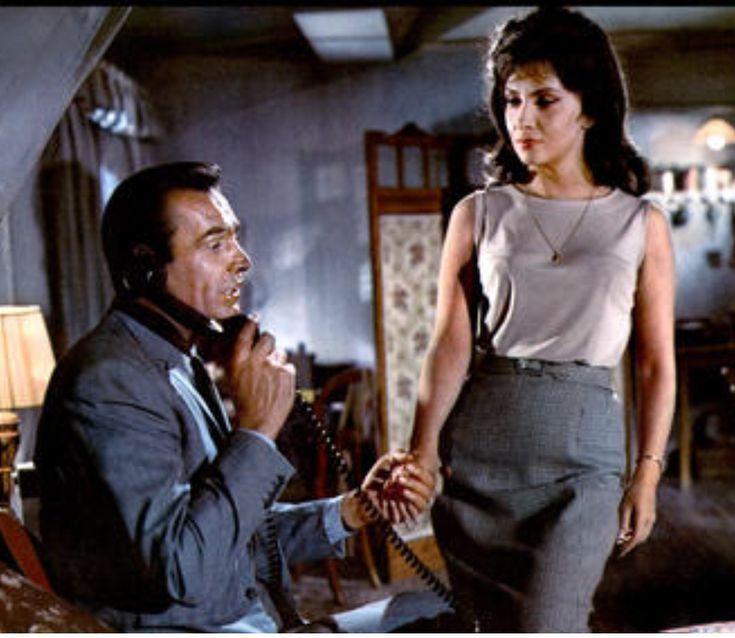
Sean Connery delivers a confident performance as Anthony Richmond. Tony is charming, intelligent, yet deeply greedy and manipulative. Connery skillfully combines outward charm with inner cunning, portraying a character whose polite demeanor, self-assured attitude, and gradually revealed ruthlessness stand out strongly. His portrayal of the cold and calculating nephew is particularly impactful.
Gina Lollobrigida plays Maria as a sincere, kind, and sensitive Italian nurse. Though initially trapped in a scheme, she conveys hesitation, endurance, and emotional conflict with remarkable naturalness. Her internal struggle is especially evident through her expressive eyes and subtle gestures.
Ralph Richardson delivers a highly realistic performance as the harsh and ailing old man.
The film’s music remains understated, working in the background to enhance tension and atmosphere, effectively supporting the narrative. The cinematography uses light and shadow to create a tense and slightly mysterious mood, while close-up shots emphasize the characters’ emotions and psychological struggles.
The screenplay is well-structured, with the story unfolding gradually. The dialogues are simple yet meaningful, keeping the audience engaged through themes of deception, greed, and moral conflict.
One of the film’s greatest strengths is its character development. The female protagonist initially appears weak and trapped by circumstances, but gradually evolves with growing awareness and confidence. The nephew’s greedy and manipulative nature is consistently revealed, while the old man’s character also shows subtle layers and changes. Thus, the film focuses not only on plot but also on the evolving complexity of human behavior.
Through its suspenseful narrative, the film highlights important social issues such as greed for wealth, exploitation of women, and moral dilemmas. It powerfully shows how the pursuit of money can lead people to compromise relationships and values. Through Maria’s character, the film reflects how women are often treated as mere tools, while her inner conflict represents the struggle between right and wrong. Basil Dearden presents a realistic portrayal of selfishness, betrayal, and instability in human relationships.
📸 Photo courtesy: Google. ✍️ Excerpts: Google.
 Writer Sunita