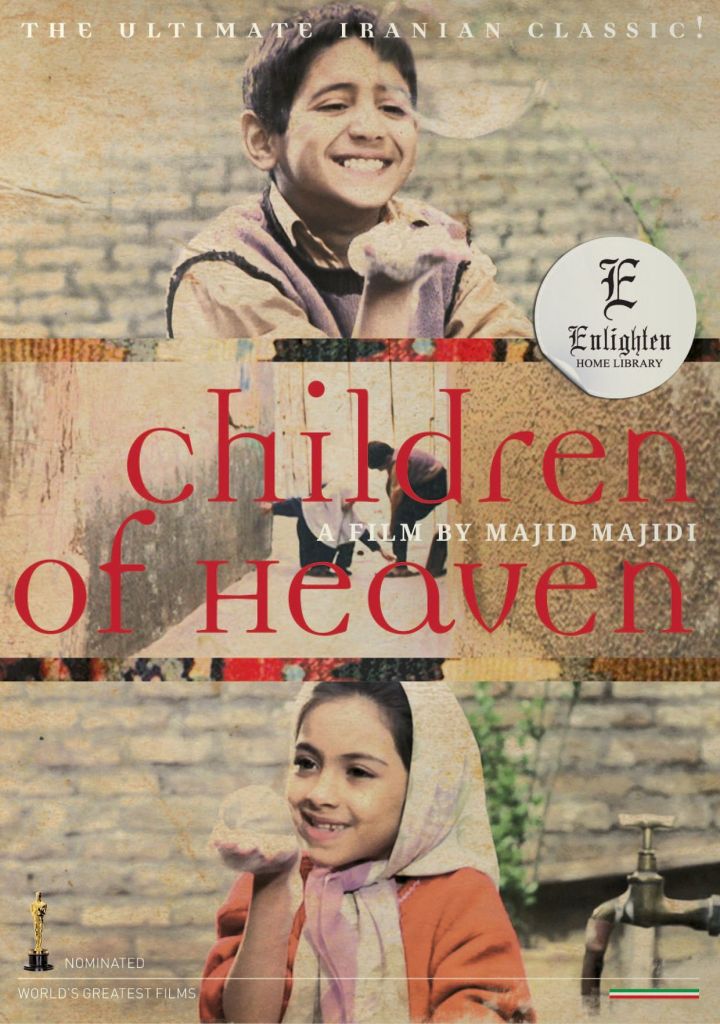
Children of Heaven (Bacheha-ye Aseman), is an Iranian film released in 1997, written and directed by Majid Majidi. It is considered one of his most celebrated and sensitive works. The story is about a young brother and sister and their journey after losing a pair of shoes. The film shows their love, struggles, and creativity as they try to share one pair of shoes.
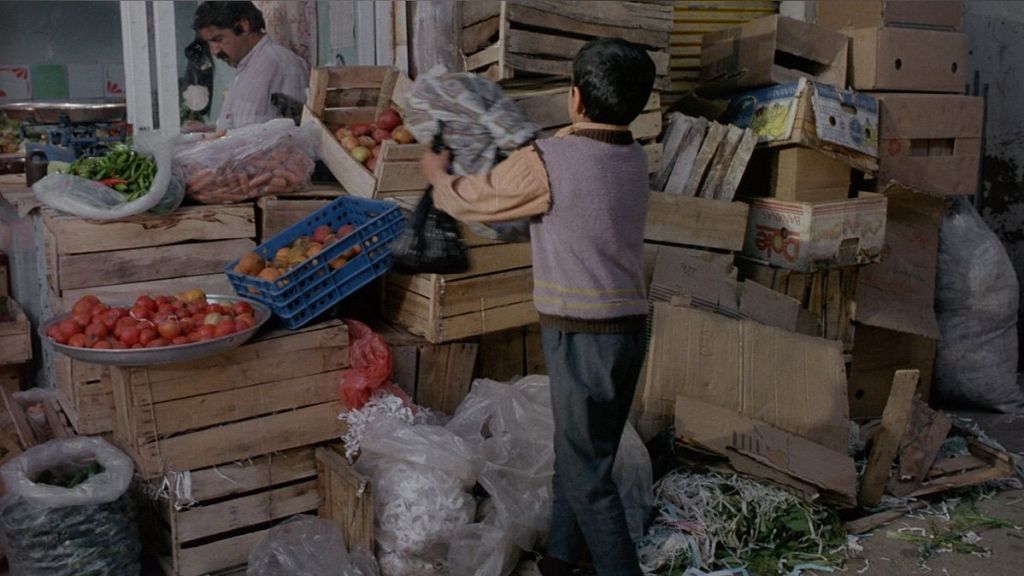
At the beginning of the film, Ali is asked to get Zahra’s shoes repaired. On his way back, while buying potatoes for his mother, the repaired shoes are accidentally picked up by a scrap collector. From this moment, the central problem of the story begins. Because the family’s financial condition is extremely poor, buying new shoes is impossible. Afraid of being punished, Ali becomes very anxious. So he and Zahra secretly devise a plan.
Since their school timings are different, they decide to share one pair of sports shoes. In the morning, Zahra wears the shoes to school, and after school she runs back home to give them to Ali. Ali then rushes to his own school wearing the same shoes, but he often arrives late. They both know that this arrangement is risky and only temporary.
Zahra eventually sees her lost shoes being worn by a classmate. However, when she realizes that the girl is even poorer than her, she decides not to ask for them back. Meanwhile, Ali goes with his father in search of work, but after an accident, even the small hope of buying new shoes fades away.
Finally, a new opportunity appears. A 4-kilometer race for children aged nine to ten is announced in the city. The third-place winner will receive a new pair of sports shoes as a prize. Ali tells Zahra that he will deliberately try to come third so that he can win the shoes for her.
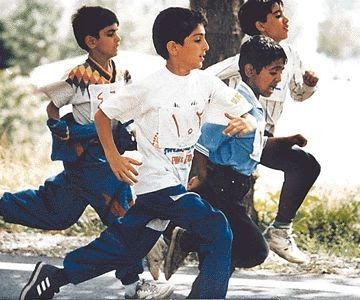
The race becomes one of the most emotional moments in the film. Ali works very hard to qualify. He runs with all his strength—not to win, but to finish third. However, in the final moments he cannot hold himself back, and he ends up finishing first. The school authorities congratulate him, but there is no joy in Ali’s eyes. He has won the wrong prize, and Zahra still has no shoes.
Through this ending, the film portrays the pain of innocent dreams and the selfless love between siblings in a deeply moving way.
In the final scene, Ali removes his old, torn shoes and gently places his tired, blistered feet into a small pool filled with golden fish. The two children who had been sharing a single pair of shoes now have none left. Their future still remains uncertain.
The story of the film is tightly woven and gradually builds toward its climax through simple everyday moments. Natural performances, lively camera movements, and real locations allow the emotions of the children to emerge in a deeply touching way.
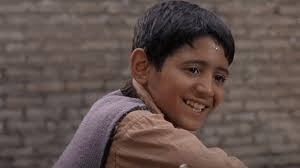
The child actors, especially Ali, played by Amir Farrokh Hashemian, portray childhood fears, helplessness, hope, and responsibility with remarkable naturalness. The concern for his sister visible in his eyes and the silent expression of his pain make Ali a loving and unforgettable older brother.
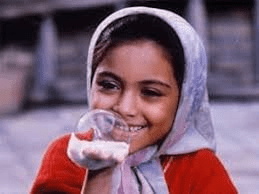
Zahra, played by Bahare Seddiqi, who was only seven years old, is equally impressive as a gentle, understanding, and affectionate younger sister. Even her small smile or sad glance communicates everything to Ali, beautifully expressing the pure love between the siblings.
Throughout the film, Ali and Zahra are often seen running through the narrow streets of their neighborhood. This running is not for play but symbolizes their struggle and necessity. The final cross-country race becomes their last hope for improving their situation, revealing the emotional realities of childhood stress, sacrifice, and fear.
The film’s bittersweet ending suggests that Ali feels as if his dream has been shattered. Yet the audience knows that his father has already bought new shoes for both children. This quiet revelation gently reminds us of the silent worries and unseen struggles of childhood.
Majid Majidi is known for his tender storytelling style and his focus on the small moments of everyday life. In Children of Heaven, the simple setting, natural lighting, and restrained direction make the story feel incredibly real and heartfelt. Even a small incident like losing a pair of shoes becomes a powerful emotional journey. Through the children’s performances, Majidi brings out a deeply sincere and touching portrayal, where even a small smile or tear resonates strongly with the audience.
One particularly memorable scene shows Ali riding a bicycle with his father from their old, narrow, and poor neighborhood to the spacious homes of a wealthy area. His father is trying to find gardening work but feels hesitant while speaking through an intercom at a gate. At that moment, Ali confidently steps forward and suggests tasks like trimming trees, removing weeds, spraying plants, and cutting branches. In this small moment, the father’s insecurity and the child’s growing sense of responsibility are portrayed with great sensitivity.
The film also portrays culture very naturally. Women wear the hijab, Ali’s father cuts sugar cubes to serve with tea at the mosque, and many small aspects of Muslim daily life appear naturally in the story. The shops, schools, and clothing styles remind many viewers of their own childhood memories.
The film became the first Iranian movie to receive an Academy Award nomination, bringing international recognition to both Majid Majidi and Iranian cinema. Its emotional depth, beauty in simplicity, and powerful storytelling make it stand out among many films.
Singaporean director Jack Neo and his wife were so moved while watching the film that they reportedly held hands and cried together. The pure love, closeness, and spirit of sacrifice between Ali and Zahra touched them deeply.
📸 Photo Courtesy: Google
✍️ Source: Google

