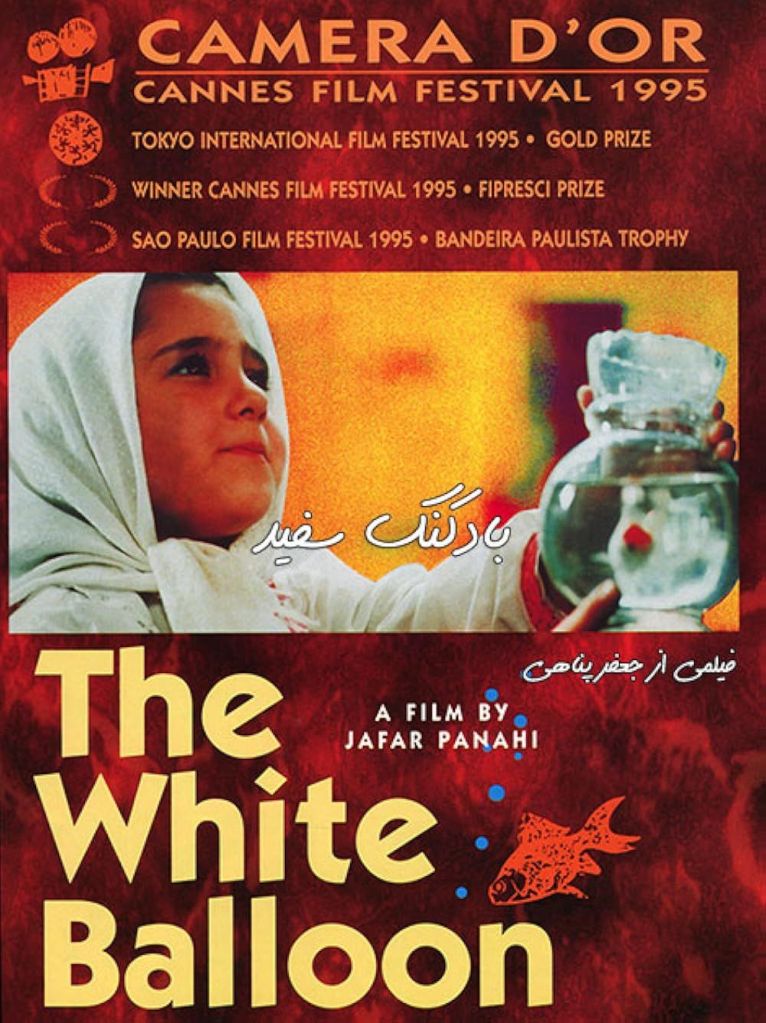
The White Balloon is a 1995 Iranian film that marked the feature-film directorial debut of Jafar Panahi, with a screenplay written by the acclaimed filmmaker Abbas Kiarostami. A gentle, humanistic story told through the eyes of a young girl, the film exemplifies the quiet, observational style that would become a hallmark of Iranian New Wave cinema.
The film makes effective use of a real-time narrative style. As an announcement mentions that only 78 minutes remain for the New Year to begin, the story unfolds almost in sync with real time.
This is the story of a seven-year-old innocent girl named Razieh. In Iran, the festival of Nowruz is approaching, and preparations to decorate homes are underway. While wandering through the market, Razieh sees a beautiful, plump goldfish… and instantly falls in love with it. She insists to her mother that she must have that fish. At first, her mother refuses, but eventually gives in to her persistence and hands her the money to go buy it.
Razieh sets out toward the market… but what seems like a simple journey suddenly turns difficult. Along the way, she encounters many experiences. She gets frightened by a snake charmer. And then comes the biggest problem — her money accidentally falls into a drain.
Razieh and her brother Ali ask several people for help, but no one really helps them. Finally, a poor Afghan balloon seller comes forward to help. Using a long stick, he manages to retrieve the money from the drain.
Razieh is overjoyed… filled with hope again, she finally buys the goldfish.
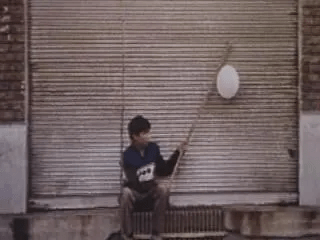
But the film does not end here…
In the end, although Razieh’s wish is fulfilled, the camera lingers on the Afghan boy — standing alone, holding a white balloon. This final, quiet, and poignant moment invites reflection. It makes us aware of social inequality and loneliness. It deepens the film’s meaning by reminding us that even in moments of celebration, not everyone gets to be a part of the joy.
It leaves us with a question:
Who is truly happy? Razieh, who got the fish… or the boy, who helped her yet remains alone?
The real charm of the film lies in how it gives emotional weight and dramatic movement to the small world of a little girl. Director Jafar Panahi tells the entire story from the child’s perspective—both visually and emotionally. The camera stays at Razieh’s eye level; we see only what she sees. As a result, her fear, frustration, and joy are felt intensely by the audience.
Throughout the film, characters appear in the same costumes, and most of the shooting takes place in real locations like the house, streets, and market. This creates a strong sense of realism, as if everything is happening right in front of us. Panahi’s ability to draw natural and authentic performances even from non-professional actors makes the film even more powerful.
The supporting characters also add to this realism—Razieh’s mother, her brother Ali, the busy tailor, and the balloon seller—all feel real rather than performed. Through Panahi’s lens, even an ordinary street in Tehran feels full of hope and underlying tension.
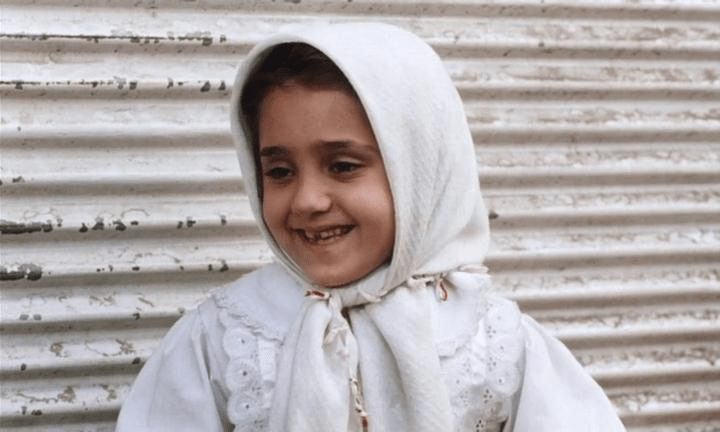
Aida Mohammadkhani, who plays Razieh, delivers a remarkably natural and touching performance. Razieh’s world is very small; for her, the goldfish is everything. What may seem trivial to adults is her biggest dream. Her fear in the snake charmer scene, and the pure joy on her face when she finds the money and sees the fish again, all feel genuine and innocent.
Thus, The White Balloon is not just a sweet children’s film; it becomes a realistic experience of childhood—where small things feel big, and the world seems both magical and slightly frightening at the same time.
📸 Photo Courtesy: Google
✍️ Source: Google
 Writer Sunita