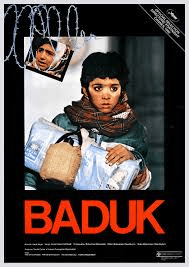
Baduk is a powerful Iranian film directed by Majid Majidi, who is known for his sensitive and realistic storytelling. The film is widely recognized for its bold and impactful portrayal of child slavery and smuggling in the border regions of Iran.
The word “Baduk” is Persian and refers to children used for smuggling. The term itself reflects the serious and disturbing theme of the film.
The story begins with two young siblings from a poor family in Iran—Jafar and his sister Jamal. After their father dies in a tragic well accident, they are left orphaned. While searching for a better life, they are kidnapped by a slave trader named Sattar. Jafar is sold to a smuggler named Abdollah near the Iran–Pakistan border, where he is forced to work as a “Baduk,” carrying illegal goods on foot—often against his will, as is the case with many children.
Meanwhile, his sister Jamal is sold into Pakistan, where her fate is even more uncertain and dark. The core of the story revolves around Jafar’s struggle to escape and find his sister, hoping to free her from captivity.
Jafar tries to escape multiple times but is repeatedly caught by the smugglers. Despite this, he does not give up. In the end, he makes a brave decision to break free from this chain and search for his sister.
Majid Majidi’s direction is deeply realistic and sensitive. Without exaggeration, he presents harsh truths through simple yet powerful scenes. By showing the story from a child’s perspective, the emotional impact becomes even stronger.
The cinematography follows a naturalistic style, capturing the harsh desert landscapes, dusty roads, and difficult living conditions with authenticity. The camera remains mostly still and observational, making the audience feel immersed in the environment.
The performances by the child actors are incredibly natural and touching. Their expressions of fear, pain, and hope feel genuine, without any artificiality—as if they are living the reality rather than acting.
The script is simple yet effective. Even with minimal dialogue, the scenes convey deep meaning. The story unfolds gradually, encouraging the audience to reflect, while maintaining a balance between emotional depth and realism.
The ending is not entirely happy, but it leaves a lasting impact. The film highlights the helplessness and struggles of children trapped in poverty and crime. By shedding light on issues like child labor and human trafficking, it portrays the loss of innocence and the resilience of children. Told in a realistic and emotional style, it reveals harsh social truths—where childhood is lost, but hope continues to survive.
Baduk is not just a film; it is an experience that brings attention to neglected and painful realities of society.
📸 Photo courtesy: Google
✍️ Sources: Google

